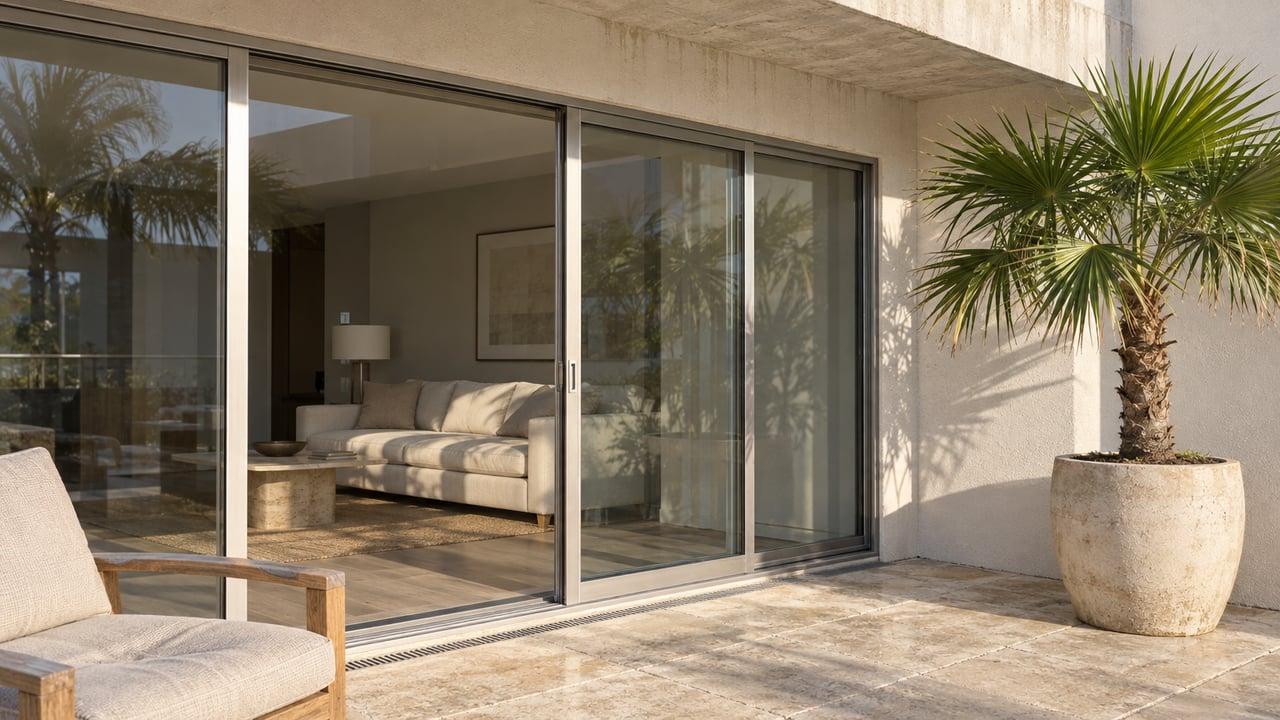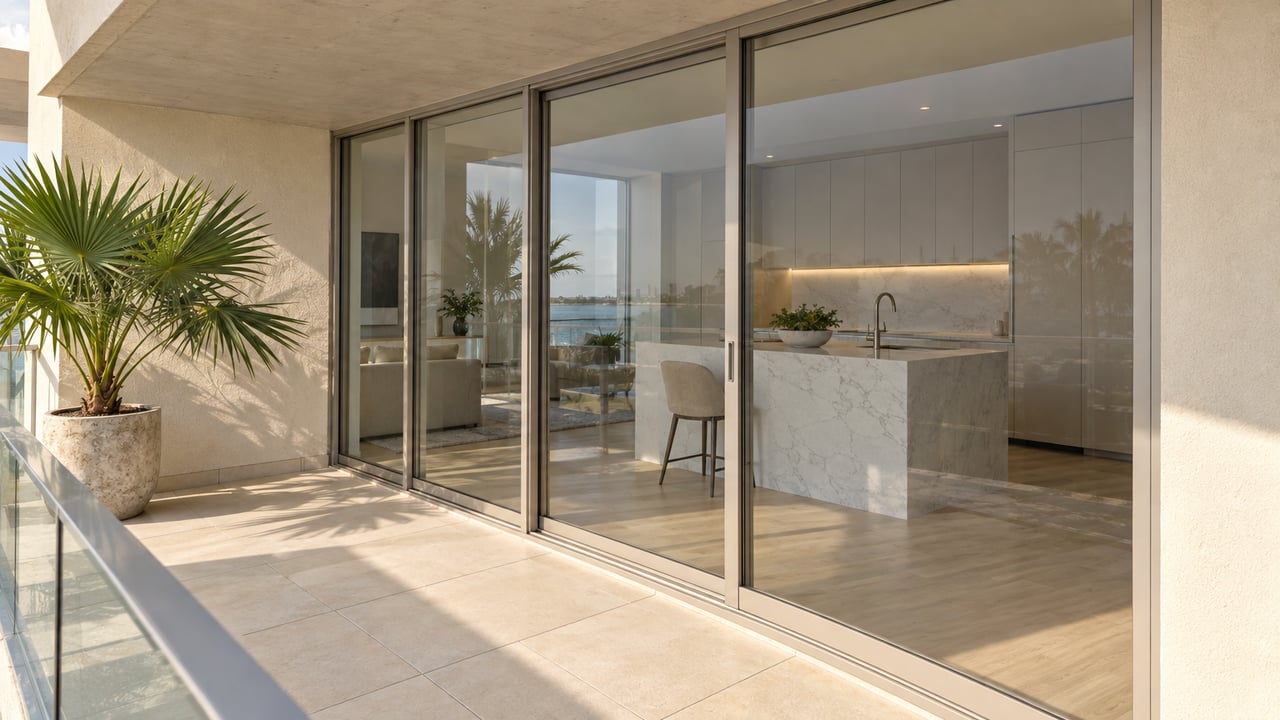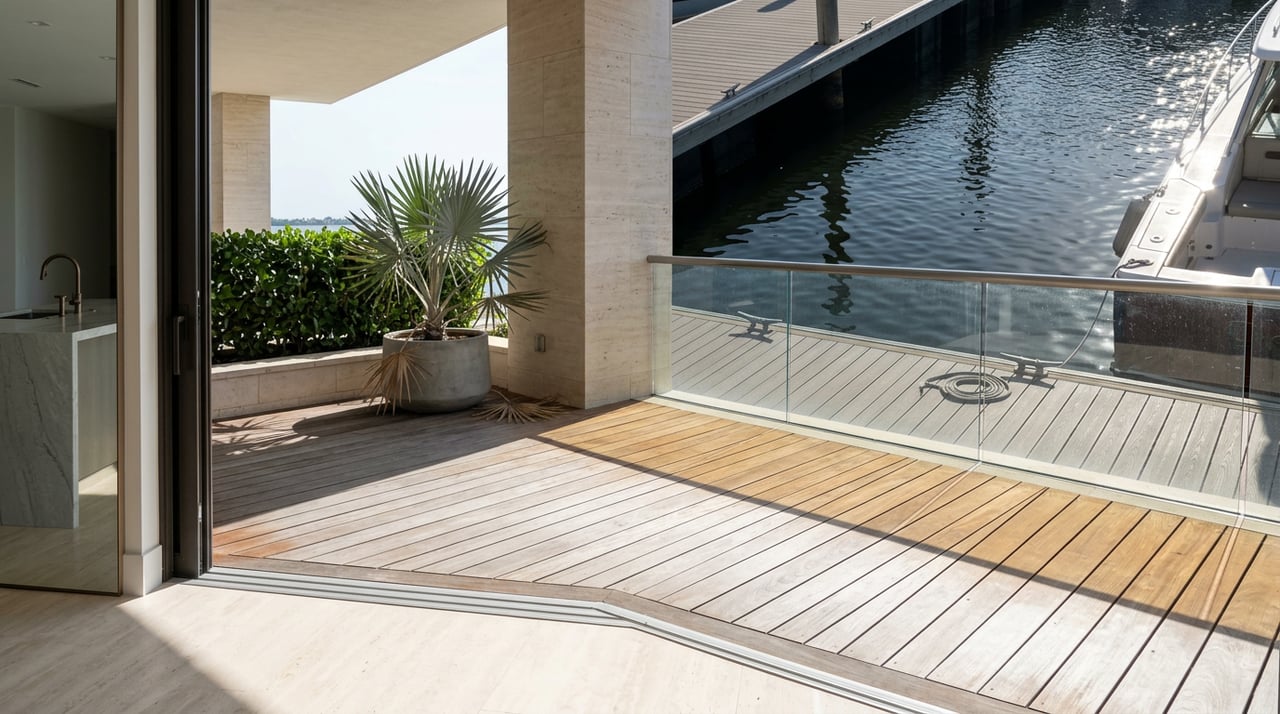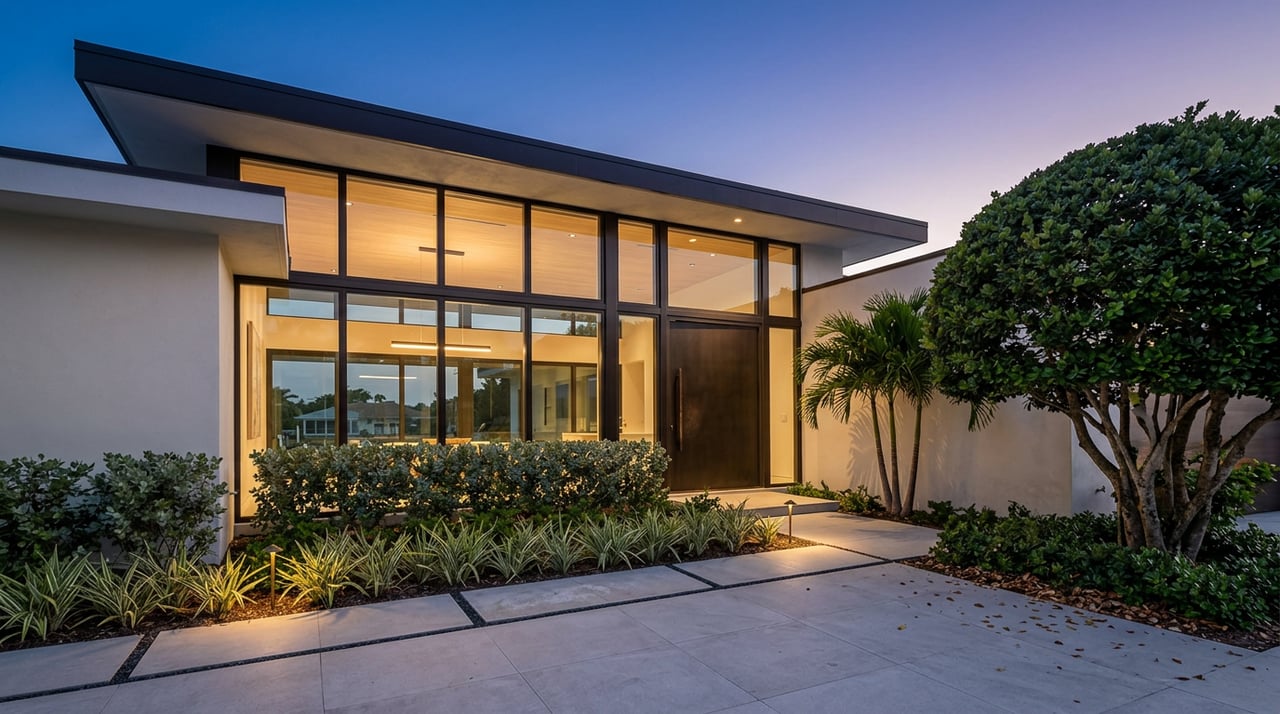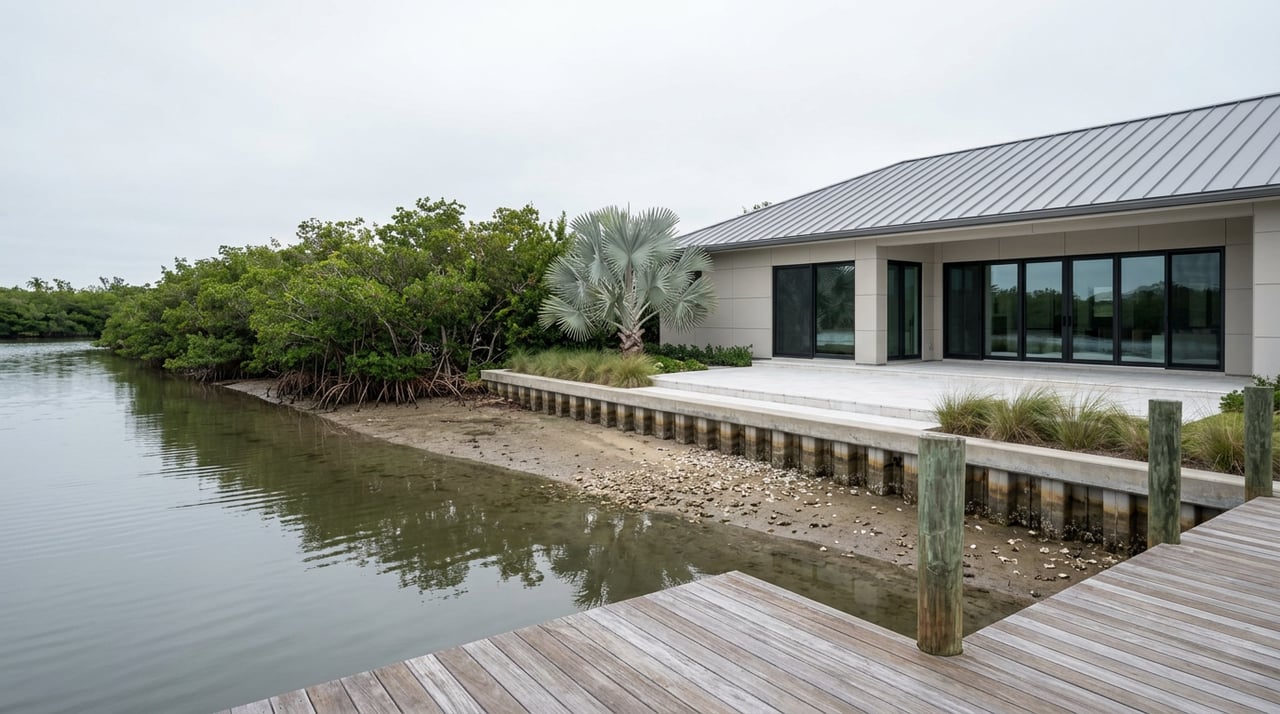
Choosing between a waterfront home and a condo on Marco Island is not just about views. It is about how you want to live, what kind of boating access you need, and how much exterior responsibility you want to carry yourself. If you are weighing both options, this guide will help you compare the real tradeoffs so you can make a confident decision. Let’s dive in.
Why the choice matters on Marco Island
Marco Island is a true canal community, and that shapes nearly every waterfront purchase decision. Many properties offer direct water access, and for many buyers, that is the main draw.
But not all waterfront ownership feels the same here. The city notes that many boaters pass under one, two, or even three bridges to reach the Marco River or the Gulf, and idle-speed or no-wake rules apply in canals, bays, and within 500 feet of seawalls and beaches. That means your daily experience on the water can differ a lot from one property to the next.
Flood risk also plays an important role. Marco Island’s current flood mapping layer is based on FEMA FIRM data effective February 8, 2024 and includes flood zone boundaries, Exposure Line D, and the Coastal Construction Control Line. Before you choose a home or condo, it helps to understand how that specific parcel is mapped.
Waterfront home vs condo basics
At the highest level, the decision comes down to control versus shared responsibility. A waterfront home usually gives you more say over your dock, lift, seawall, and exterior improvements. A waterfront condo usually gives you more shared maintenance, but also more association rules and collective decision-making.
Neither option is automatically better. The right fit depends on how you use the property, how often you are in town, and how hands-on you want to be.
What a waterfront home offers
A single-family waterfront home usually gives you the most direct control over the property. If you want a private dock, a specific boat lift setup, or more freedom with exterior changes, a home often fits that goal better.
That added control comes with added responsibility. On Marco Island, seawalls, docks, and boat lifts are treated as separate permitted improvements with separate costs. The city fee schedule lists seawall installs, repairs, and replacements at $2.00 per linear foot with a minimum fee of $150, docks at $0.15 per square foot with a minimum fee of $100 for single-family and commercial properties, and boat lifts at a flat fee of $50.
The city’s seawall manual also says many original seawalls on Marco Island are nearing the end of their useful lives. It recommends having the seawall evaluated by a marine engineer or specialist before you buy. That is one of the most important checks for any waterfront home purchase here.
What a waterfront condo offers
A waterfront condo usually appeals to buyers who want a simpler, more lock-and-leave lifestyle. You jointly own the exterior property and common areas with other owners, and you pay a mandatory monthly condo fee.
Those fees often cover exterior repairs and maintenance, common areas, and sometimes utilities or amenities, depending on the association. That can make condo ownership feel more predictable on a day-to-day basis, especially if you are a seasonal owner or prefer less hands-on property management.
The tradeoff is that you live within association rules and shared financial decisions. Association choices can affect property values, monthly costs, and your future expenses. On Marco Island, that is an important part of the condo conversation.
Boating access can change the answer
If boating is central to your lifestyle, focus on more than the address. On Marco Island, the better question is whether the property supports your actual boat and boating habits.
The city provides bridge-clearance information for fourteen bridges, and many boaters must pass under multiple bridges before reaching open water. Canal routes, no-wake areas, dock setup, and bridge clearance all matter. A beautiful waterfront property may still be the wrong fit if your vessel or boating routine does not match the access.
Home buyers should think about dock control
If you want to keep a boat at home and control the dock or lift setup directly, a single-family home often has the advantage. You can evaluate the exact canal position, dock dimensions, seawall condition, and boating path with fewer layers of shared governance.
That said, you should confirm permits and future improvement needs. If the property already has a dock or lift, ask what permits were issued and what future work may trigger city permit fees.
Condo buyers should think about convenience
A condo can still be a strong fit for a boating lifestyle, depending on the building and its waterfront setup. But your experience may be more tied to association policies, shared facilities, and the limitations of the building’s design.
For many buyers, that tradeoff is worth it. If your goal is lower-maintenance living with waterfront access and less direct responsibility for exterior systems, a condo may feel much easier to own.
Costs to compare before you buy
Purchase price is only one part of the decision. On Marco Island, the bigger long-term differences often come down to insurance, reserves, special assessments, and marine infrastructure.
Flood and wind insurance
Flood insurance deserves close attention for both property types. FEMA states that most homeowners insurance does not cover flood damage, and flood insurance is typically a separate policy.
Because Marco Island uses current FEMA-based flood mapping, parcel-by-parcel flood zone verification is important. If you are financing the purchase, flood insurance requirements may depend on the property’s specific flood zone.
Insurance also works differently for homes and condos. Florida’s Chief Financial Officer explains that a standard homeowners policy generally covers the dwelling, contents, and other structures, while condo unit owner insurance, often called HO-6 coverage, is designed for personal property and certain unit items not insured by the association.
Condo fees and special assessments
With a condo, monthly fees are a central part of the ownership picture. Those fees can help cover exterior maintenance, common areas, insurance, and reserves, but they vary widely based on the building, location, age, condition, and amenities.
You also need to ask about special assessments. Fannie Mae notes that associations may charge one-time assessments for major expenses such as disaster repairs or structural repairs. That is why a condo purchase should include a careful review of the budget, reserve balances, and assessment history.
Seawalls, docks, and marine upkeep
With a home, the marine structures become a major cost category. If the seawall is aging or the dock needs work, you may be responsible for repairs, permits, and timing.
Marco Island’s code says a failed seawall or revetment is a public nuisance. If the city gives notice, the owner must submit a permit application or proof of contract with a licensed Florida engineer within 60 days. That is a strong reason to inspect waterfront infrastructure early in the process.
Florida condo rules now matter more
For condo buyers on Marco Island, Florida’s current structural rules are now a major pricing and budgeting factor. This is especially important for buildings three stories or taller.
Marco Island’s building department says milestone inspections are required for condo and cooperative buildings three stories or taller. Buildings within three miles of saltwater are inspected at 25 years, while buildings more than three miles from saltwater are inspected at 30 years.
Florida law also requires certain associations to complete a structural integrity reserve study. For budgets adopted on or after December 31, 2024, members of qualifying unit-owner-controlled associations may not vote to fund less than the required reserves for listed structural items. In practical terms, this can affect monthly fees and future assessment risk.
If you are comparing condos against homes, this is one of the biggest current factors to review. A building’s inspection status, reserve planning, and financial health can shape the true cost of ownership.
Property taxes depend on use
Many buyers assume a home and condo will be taxed very differently. In practice, the larger tax difference often depends on how you use the property, not just the property type.
Collier County states that Florida’s Save Our Homes cap limits assessed-value increases to 3 percent or CPI, whichever is less, but only for property that qualifies for homestead exemption. The county also states that only one homestead exemption is allowed per family unit, and new applications must be filed by March 1.
If the Marco Island property will be your primary residence, homestead treatment may matter. If it will be a second home or seasonal residence, that benefit may not apply the same way.
Which option fits your lifestyle best
For many buyers, the answer becomes clearer when you stop asking which option is better and start asking which option fits your routine. Marco Island offers excellent opportunities in both categories, but the ownership experience is very different.
A waterfront home may fit you best if
- You want a private dock, boat lift, or custom boating setup.
- You value more privacy and more direct control over the exterior.
- You are comfortable managing seawall, dock, permit, and repair responsibilities.
- You want the flexibility to make more property-specific decisions yourself.
A waterfront condo may fit you best if
- You want a lower-maintenance, lock-and-leave lifestyle.
- You prefer shared amenities and a fee structure that bundles some exterior costs.
- You are comfortable living with association rules and shared governance.
- You want less direct responsibility for major exterior systems.
Smart due diligence for Marco Island buyers
Whether you choose a home or condo, a careful review upfront can save you time, money, and stress later. Marco Island’s waterfront setting makes this step especially important.
Here are some of the most useful questions to ask:
- What is the property’s exact flood zone on the current city map?
- Does the parcel show any coastal-control or wave-action constraints?
- If it is a home, when was the seawall last inspected?
- Are there known repair issues with the seawall, dock, or lift?
- What permits were issued for marine structures, and what future work may require new permits?
- If it is a condo, what do the current budget, reserve study, milestone inspection report, and special-assessment history show?
- What does the association master policy cover, and what falls under the owner’s HO-6 policy?
The bottom line
On Marco Island, the choice between a waterfront home and a condo is less about whether you want to live near the water and more about who carries the exterior risk and responsibility. A home gives you more direct control, but it also puts more of the dock, seawall, and repair burden on you. A condo spreads more of that responsibility across the association, but it adds fees, rules, reserve funding, and possible assessments.
If you want privacy and direct boating control, a waterfront home may be the stronger fit. If you want a polished, low-maintenance, lock-and-leave lifestyle, a waterfront condo may serve you better.
If you want help comparing Marco Island waterfront homes, condos, or penthouses based on your boating needs, ownership goals, and timing, Angelica Andrews can guide you with local insight and concierge-level support.
FAQs
What is the main difference between a Marco Island waterfront home and condo?
- A waterfront home usually offers more privacy and direct control over the dock, seawall, and exterior, while a condo usually offers more shared maintenance, monthly fees, and association rules.
What should Marco Island home buyers know about seawalls?
- The city says many original seawalls are nearing the end of their useful lives, so you should ask for inspection history and consider an evaluation by a marine engineer or specialist before buying.
What should Marco Island condo buyers review before purchasing?
- Review the condo budget, reserve study, milestone inspection status, special-assessment history, and what the association’s master insurance policy covers.
How do flood zones affect Marco Island waterfront purchases?
- Marco Island’s flood mapping is based on current FEMA data, so you should verify the exact flood zone for the property because flood risk can affect insurance needs and ownership costs.
Are Marco Island property taxes better for homes or condos?
- The tax advantage often depends more on whether the property qualifies for homestead exemption as your primary residence than on whether it is a home or condo.
Why do bridge clearances matter for Marco Island waterfront buyers?
- Many Marco Island boaters pass under one or more bridges to reach the Gulf, so bridge clearance, canal access, and no-wake zones should match your boat and how you plan to use it.