Does the month you list or buy in Naples really matter? If you are focused on waterfront living, timing often shapes your price, your days on market, and your negotiating leverage. You want a plan that respects the local calendar so you do not leave money on the table or miss a quiet buying window. In this guide, you will learn how Naples’ seasons move the market and how to use those shifts to your advantage. Let’s dive in.
Naples season: what it means
Naples runs on a winter and early spring rhythm. The area’s visitor calendar and seasonal services ramp up through late April, which concentrates second‑home and vacation traffic between roughly November and April. You feel it in open houses, showings, and rental demand. For context, the local destination site outlines this high‑season pattern for the Paradise Coast’s events and travel cycle at Paradise Coast.
Demographics add to the effect. Collier County has a larger share of residents age 65 and older than the national average, along with steady population growth, according to U.S. Census QuickFacts. That mix supports a sizable group of seasonal owners and visiting buyers who shop during winter.
At a national level, many markets peak in spring or summer. Warm‑climate markets in South Florida often perform strongest in winter because snowbird demand arrives when the weather is best. A peer‑reviewed analysis of seasonal housing patterns notes this southern nuance, which Naples tends to follow, not the northern spring peak noted in the study’s national seasonality research.
How the numbers move each season
Naples’ monthly snapshots routinely show swings in inventory, days on market, and price adjustments that line up with the seasonal calendar. For example, NABOR’s January 2026 indicators reported about 6,328 active listings and roughly 9.2 months of supply, an overall median closed price near $627,500, days on market around 97, and more than 2,000 price decreases that month. You see similar winter pulses in pending sales and showings, while late spring and summer often bring more listings and longer marketing times.
A typical pattern looks like this:
- Winter to early spring (Nov–Apr): Larger buyer pool, more show activity, faster pace, and stronger absorption. Well‑presented waterfront listings can move quickly.
- Late spring and summer (May–Aug): More new listings hit as seasonal owners depart. Buyers may find additional choices and more frequent price adjustments.
- Fall shoulder (Sep–Oct): A re‑set period. Some listings reposition ahead of winter arrivals, and buyers finalize goals before the holidays.
Why waterfront amplifies the cycle
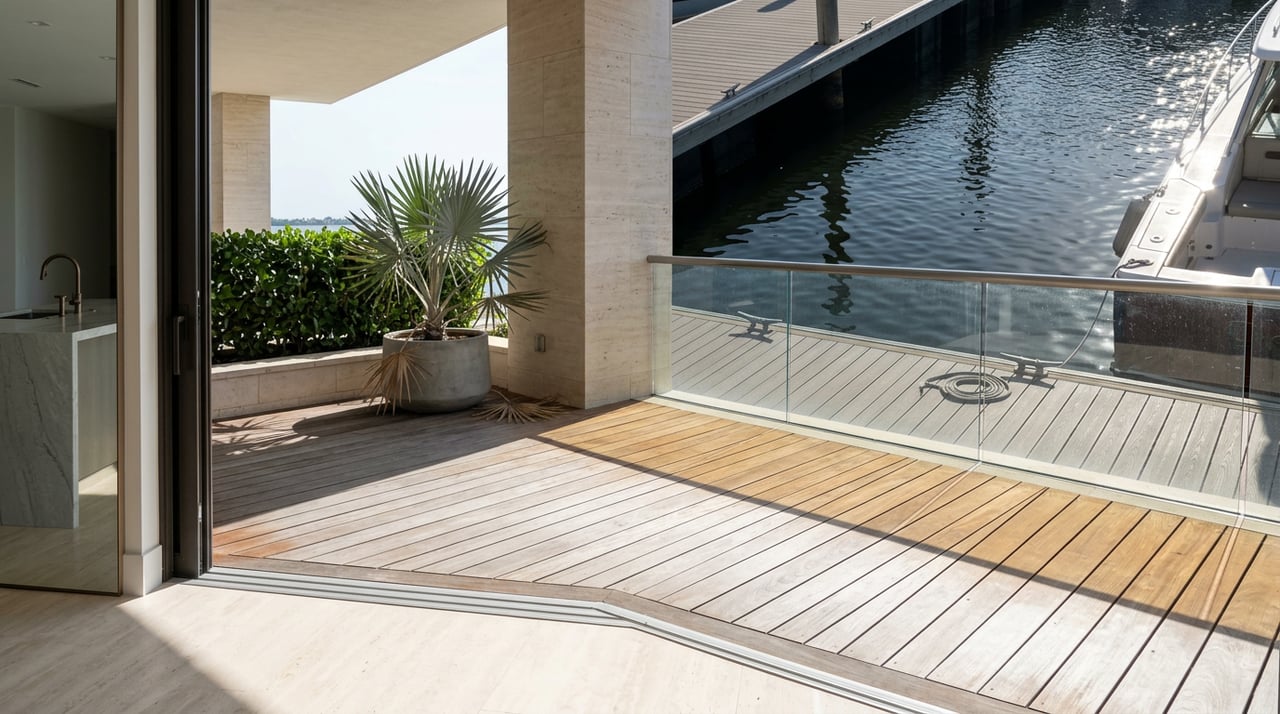
Waterfront draws a high share of second‑home and visiting buyers who tour while they are in town. That concentrates offers during the winter window. On top of that, waterfront enclaves such as Naples Beach, Port Royal, Aqualane Shores, Park Shore, and Pelican Bay carry a premium relative to countywide medians. Scarcity, view quality, dockage, and amenities shape pricing, and micro‑markets can move at different speeds inside the same month.
Seller timing: maximize price and speed
If your goal is price and velocity, plan to go live early in the high season. In most years, listing between early January and March places your property in front of the largest winter buyer pool. Pair that timing with sharp presentation and credible pricing so you capture demand without lingering.
A simple seller checklist:
- Confirm insurance early. Florida’s coastal insurance market has seen volatility in pricing and availability. Align coverage and deductibles before you launch, and have documentation ready for buyers. For context on statewide insurance pressures, see this overview of the property insurance market.
- Order a pre‑listing inspection. For waterfront, consider wind‑mitigation, elevation, dock and seawall condition reviews. Small preventive repairs often protect your price during busy show weeks.
- Invest in media that sells the lifestyle. Professional staging, architectural photography, and cinematic video help you stand out during the crowded winter calendar.
- Price to the micro‑market. Use recent waterfront comparables by enclave and building. An in‑season crowd improves your odds of a strong outcome, but an overpriced listing can still sit.
Buyer timing: find value and leverage
If you want more room to negotiate, look to late spring through early fall, when many seasonal visitors have departed. Inventory often reads fuller, days on market stretch, and some sellers are more flexible. In scarce segments, attractive listings can still move fast, so combine patience with readiness.
Practical buyer moves:
- Verify insurance early and obtain quotes before you write. Binder delays can slow a summer closing.
- Weight days on market and recent price reductions when shaping terms.
- Watch hurricane season dates, which officially run from June 1 to November 30 per NOAA and the National Hurricane Center. Build timelines and contingency buffers accordingly.
Investors: align with rental season
For waterfront condos and some single‑family homes, winter and early spring deliver the highest occupancy and average daily rates. Public tourism calendars for the Paradise Coast reflect this surge. If seasonal income is part of your plan, time your acquisition and onboarding to be turnkey before November.
A simple seasonal rental plan:
- Target closing by late summer, complete furnishing and light updates in early fall, and launch marketing by October.
- Confirm association rules, minimum stays, local registration, and tax requirements in Collier County before you accept bookings.
- Set a rate and minimum‑stay strategy that captures the peak months while protecting shoulder‑season demand.
Insurance and closings in storm months
Hurricane season overlaps Naples’ off‑season. Storm activity and underwriting cycles can complicate policy binding, inspections, and scheduling repairs. Official season dates and peak months are outlined by NOAA/NHC, and broader analyses of Florida’s insurance market dynamics highlight why timing matters for coastal properties in reports like this insurance market overview.
Closing tips for summer and fall:
- Build clear insurance and inspection contingencies into your contract, with adequate time for quotes and underwriting.
- Order elevation certificates, flood documentation, and any seawall or dock assessments early in due diligence.
- If repairs are needed, consider escrow holdbacks or post‑closing arrangements that reflect contractor lead times.
Put seasonality to work in your micro‑market
Every waterfront enclave has its own cadence. Some ultra‑luxury segments respond immediately when the season opens, while certain condo tiers show more pronounced price adjustments in late spring and summer. Use recent NABOR monthly indicators for inventory, days on market, and price‑reduction counts to fine‑tune your window by neighborhood and price band.
If you want a season‑smart plan for your property or your next purchase, schedule a conversation. With boutique, concierge‑level representation and global reach, Angelica Andrews will help you time the market, present impeccably, and negotiate with clarity.
FAQs
What is the best month to list a Naples waterfront condo?
- Early January through March typically puts you in front of the largest buyer pool, though the exact week depends on your building, view, and price band. Use the latest NABOR monthly charts to confirm the current peak.
Will I always get a higher price in season on a waterfront home?
- Not always. You access more buyers and often sell faster, but pricing and presentation still rule. Overpriced listings can sit even in peak months.
Are there extra insurance or closing risks if I buy in summer?
- Yes. Hurricane season runs June through November, which can affect policy binding, inspections, and repair timelines. Verify insurance options early and allow extra time in your contract.
Do condos and single‑family waterfront homes show different seasonality?
- Often. Condos used for seasonal rentals may see stronger winter premiums, while single‑family homes can be steadier. Both segments benefit from winter demand and careful pricing.
When do buyers usually have more negotiating leverage on Naples waterfronts?
- Late spring through early fall often brings more choice and a higher share of price adjustments, though unique, well‑priced listings can still move fast at any time of year.