You picture waking up to a wide Gulf horizon, coffee in hand, and soft surf in the background. If you are considering a gulf-front condo in Naples, you want to know what daily life really feels like and what to check before you buy. In this guide, you will get a clear look at the lifestyle, the amenities you will likely find, the seasonal rhythm, and the practical due diligence that protects your investment. Let’s dive in.
Daily life on the Gulf
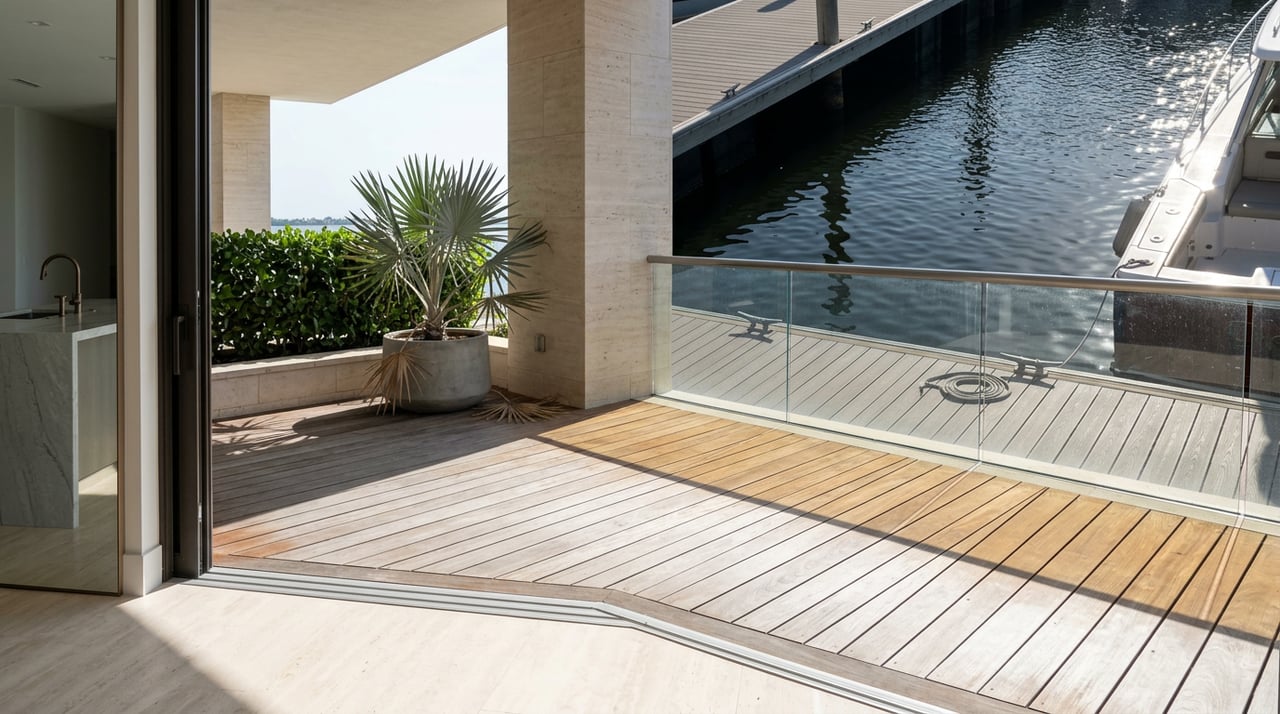
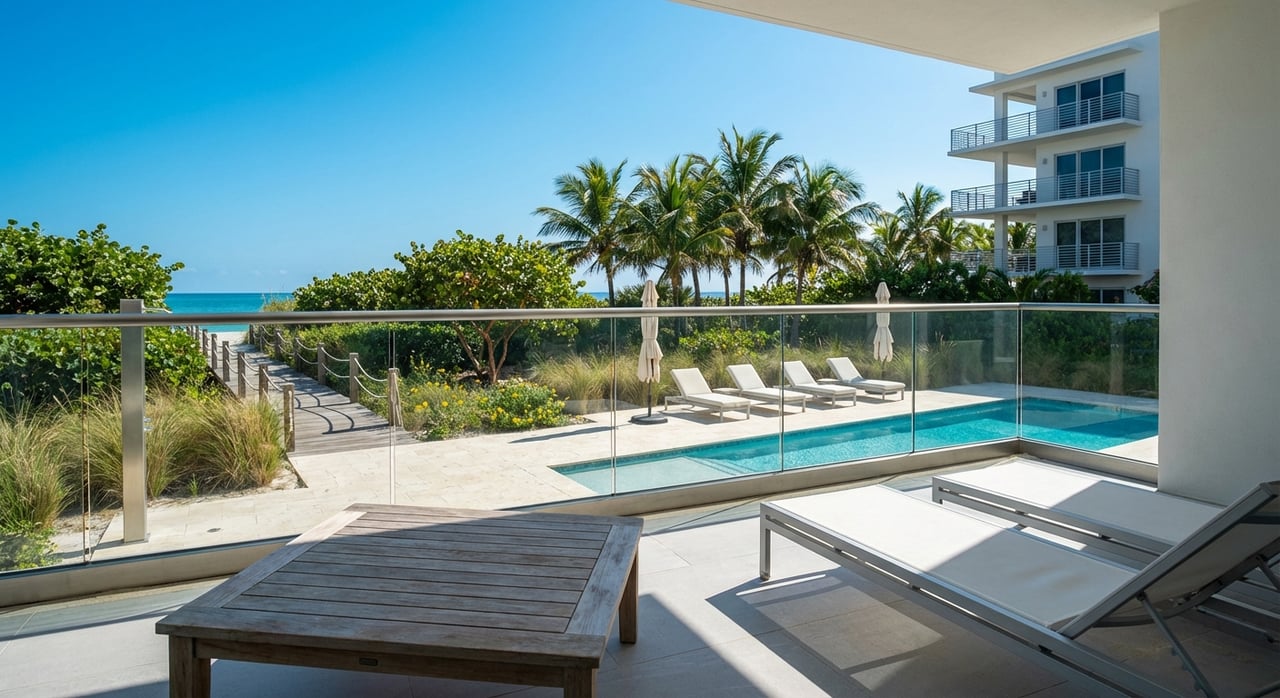
Living on the sand means easy beach access, water views, and a strong sunset routine. Many residents schedule morning walks, beach time, and dinner around the sky show at dusk. Wildlife sightings are common, and access points along the shoreline make it simple to step onto the sand for a quick swim or stroll. For a feel of the shoreline and access points, explore the area guides on Naples beaches and waterfront access.
Sights, sounds, and salt air
You will hear ocean surf, passing boat traffic, and seabirds. Salt air is constant and can affect outdoor fixtures over time. Crowds and noise levels change by block and by season, since public and resident-only beach areas sit along the same shoreline. Expect a calm, restorative pace in summer and more activity in winter.
Buildings and amenities
What to expect in a gulf-front building
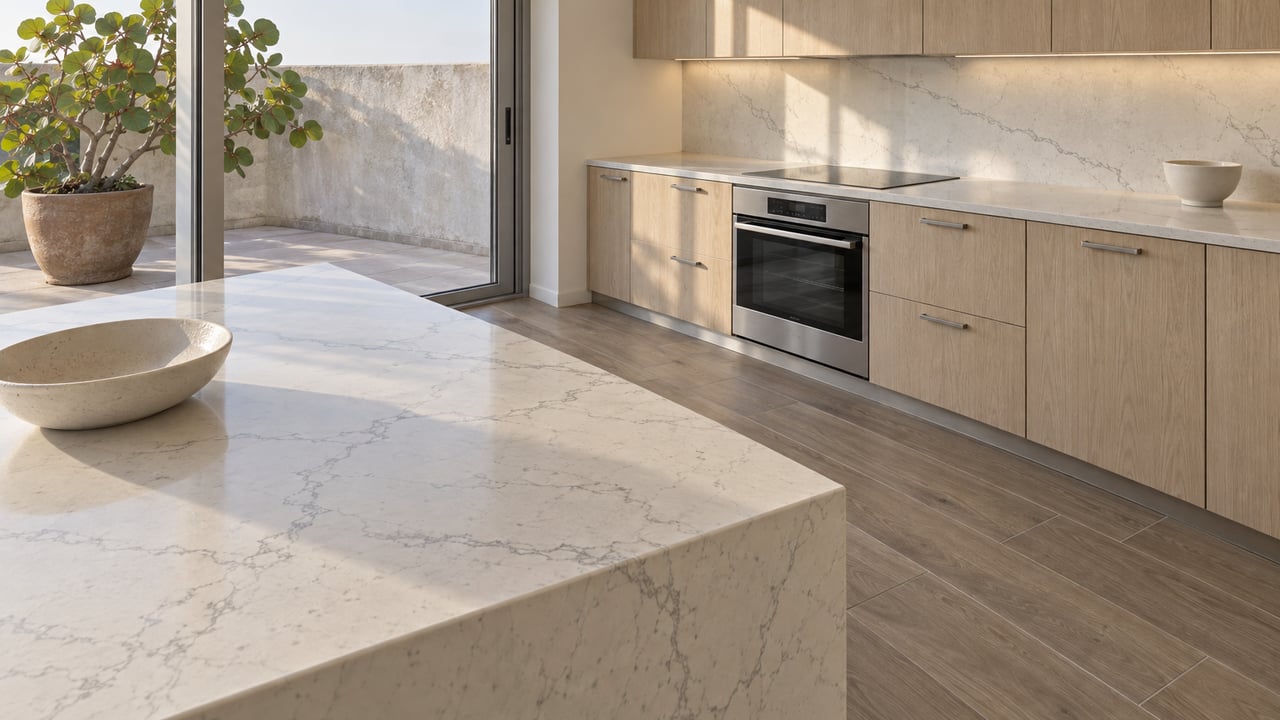
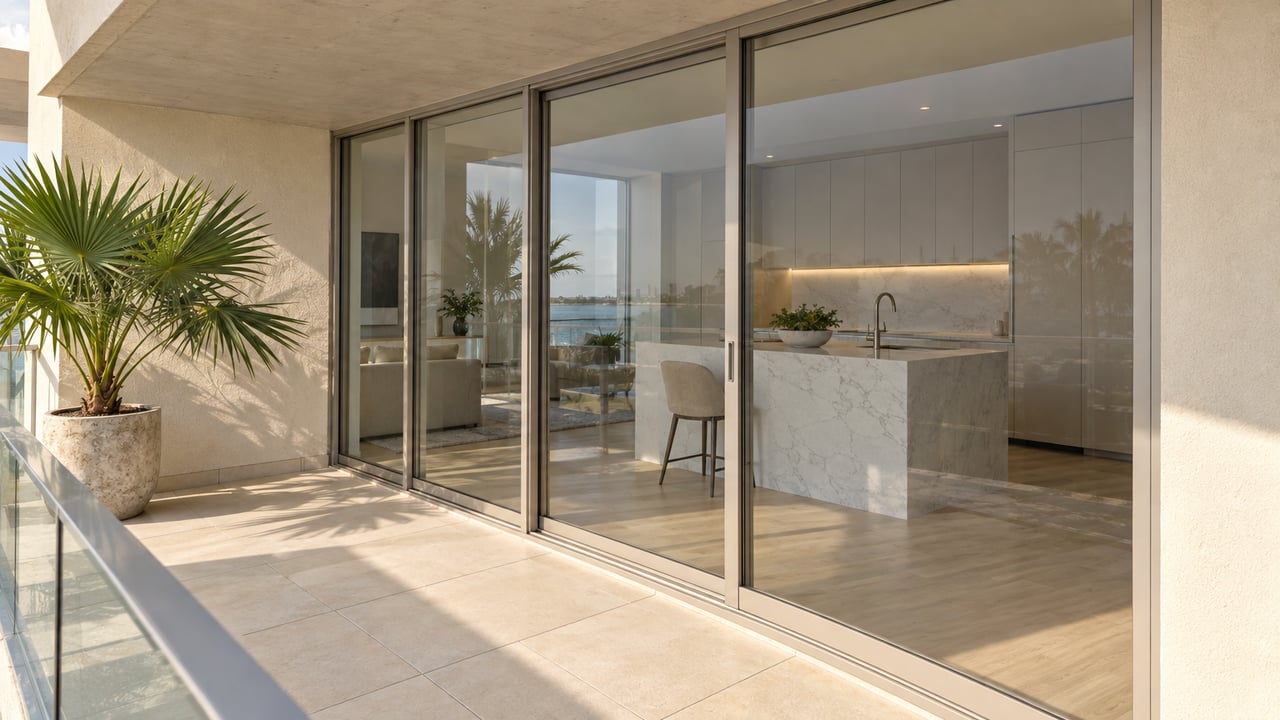
Most beachfront buildings offer a mix of comfort and convenience. Common features include elevators, covered or assigned parking, community pools and spas, fitness rooms, keyed security, and in some cases guest suites or a staffed manager’s office. Neighborhoods vary too. Park Shore tends to be walkable to waterfront dining and marinas, while Pelican Bay operates more like a resort community with bundled amenities and a private resident beach club, as outlined in this Park Shore vs. Pelican Bay overview.
Operations, materials, and maintenance
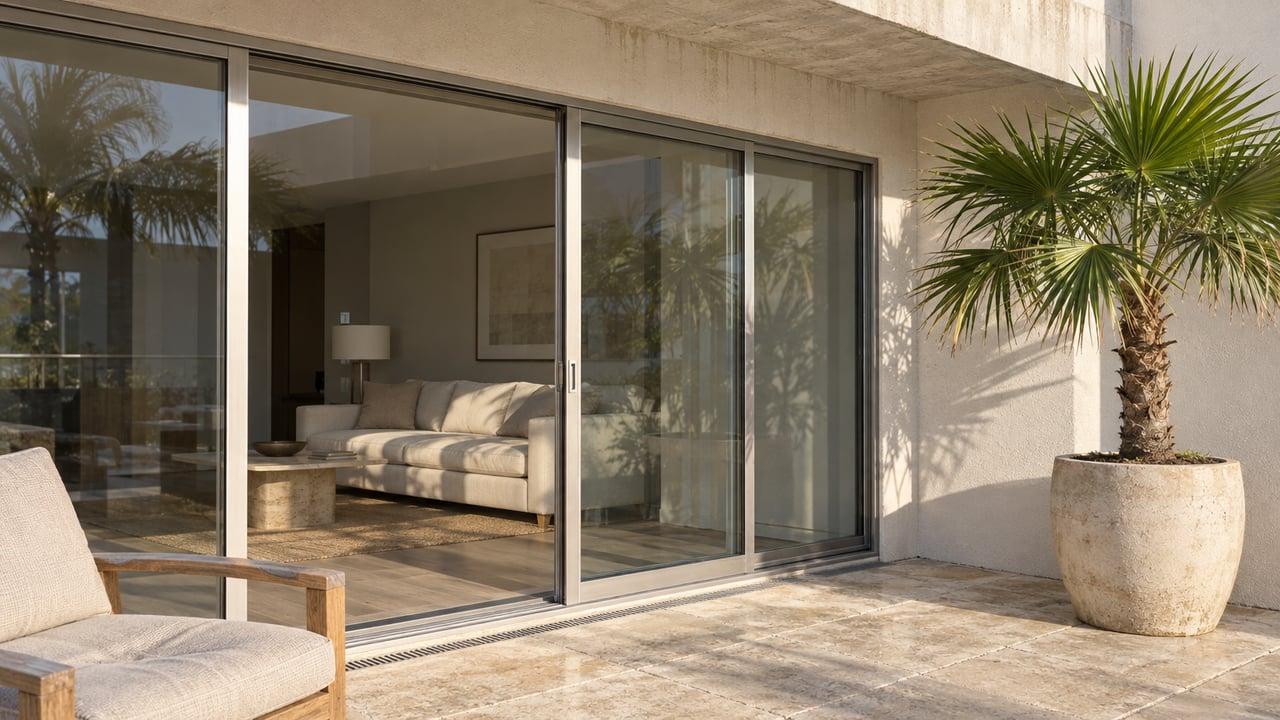
Gulf exposure shapes construction and upkeep. Many buildings feature impact-rated glass and corrosion-resistant hardware, and they follow frequent exterior maintenance and painting cycles. Older buildings may face higher near-term capital needs. Sample listings often highlight impact glass, private beach rights, and quarterly association fees, which are all signals to review closely during due diligence, as shown in this representative gulf-front listing example.
Parking, deliveries, and guest logistics
Assigned parking and limited guest spaces are common in prime waterfront locations. Some associations restrict overnight street parking, especially in season, and may enforce time limits for visitors. Before you host guests, review building rules and nearby public parking details through local beach access resources.
Seasonality and nearby lifestyle
When Naples is most active
Naples peaks in winter and early spring. Seasonal residents, restaurant crowds, and cultural events all cluster in these months. Summer is quieter, hotter, and more negotiable for shoppers who want a slower pace. For a snapshot of the high-season pattern, review local statistics from the Naples Area Board of REALTORS in the NABOR market data.
Dining, arts, and evening anchors
Downtown Old Naples offers gallery walks, cafes, and dining along Fifth Avenue South and Third Street South. Waterfront hubs like Tin City and The Village on Venetian Bay add casual and fine dining close to many gulf-front buildings. For world-class performances and exhibitions, see the seasonal calendar at Artis Naples.
Recreation beyond the beach
Beyond the shoreline, you can boat or fish from nearby marinas, or paddle calm inlets. Delnor-Wiggins Pass State Park, the Naples Botanical Garden, and the Naples Zoo give you easy outdoor options on cooler mornings or post-beach afternoons. Local beach and parks information helps you plan quick day trips.
Practical checks before you buy
Use this section to guide your early research. It helps you confirm lifestyle fit and protect against surprises.
Short-term rental and use rules
Collier County requires registration for short-term rentals in unincorporated areas, and the City of Naples has separate rules. Many condo associations also restrict short stays. Review local guidelines and your building’s documents before you assume rental income is possible. Start with the county’s short-term rental registration page.
Hurricanes and emergency planning
Atlantic hurricane season runs from June 1 through November 30, with peak activity usually late summer into fall. Ask your association about storm protocols, including impact systems, generator capacity, and building access during watches and warnings. For official dates and preparedness, use the National Hurricane Center.
Flood and long-term coastal risk
Low elevation and storm surge shape both insurance needs and long-term planning. Ask for elevation certificates and the association’s insurance history, and review flood maps and sea-level tools during due diligence. Regional researchers track rising Gulf Coast sea-level trends, which can inform mid-century planning, as noted by VIMS sea-level reports.
Insurance and HOA dues
Gulf-front condos often carry higher wind and flood exposures. Ask for recent master policy invoices and any claims history. HOA dues can be substantial because they may include exterior maintenance, elevators, beach access infrastructure, insurance, landscaping, pools, and some utilities. Use listing examples only as a guide, and request current budgets and reserves from the association, as suggested by this representative listing detail.
Building condition, reserves, and inspections
Review the reserve study, engineering reports, meeting minutes, and any planned projects or special assessments. Confirm the status of required structural inspections and roofing or remediation histories. Older waterfront properties often need larger reserve budgets, which you can spot in association disclosures and project timelines.
Financing and warrantability
Some lenders apply stricter rules to condos. Building occupancy ratios, litigation, or HOA delinquencies can affect your loan options. Ask for the condo questionnaire early and consult a lender familiar with Florida condos. You will often see these financing notes flagged in listing remarks and building documents.
Everyday logistics and access
Grocery, dining, and medical services are a short drive from most gulf-front addresses in the city. For travel days, Southwest Florida International Airport in Fort Myers is roughly a 30 to 45 minute drive, depending on traffic. See a sample calculation of drive time from RSW to Naples on TravelMath.
A day in the life
- Morning: Coffee on your lanai, then a quick beach walk as the shoreline wakes up. Dolphins and shorebirds are common sights on calm days.
- Midday: Errands and lunch in Old Naples or The Village on Venetian Bay. Return for pool time, a workout, or a paddle in a nearby inlet.
- Late afternoon: Meet friends by the water for a sunset stroll. The Naples Pier is a beloved landmark, with a city-led rebuild project underway that keeps it in the center of evening life. You can track updates through the Naples Pier rebuild page.
Is a gulf-front condo right for you?
Choose this lifestyle if you want beach access a few steps from home, a relaxed pace in summer, and a lively winter scene with dining and culture minutes away. Expect professional building management, community amenities, and rules that preserve the experience for everyone. Before you fall for a view, confirm the numbers and policies so the lifestyle matches your goals.
Ready to find the right building and stack for your needs, from Park Shore to Pelican Bay and Old Naples? Connect with Angelica Andrews for a private consultation and a tailored shortlist of options.
FAQs
How crowded are Naples beaches in winter?
- Winter and early spring bring the most visitors and seasonal residents, so beaches and restaurants are busier during those months, as reflected in NABOR market trends.
What do HOA dues usually cover in gulf-front condos?
- Dues often fund exterior upkeep, elevators, insurance, landscaping, pools, and sometimes utilities, but coverage varies by building, so request current budgets and reserve studies.
How does hurricane season affect condo owners in Naples?
- Owners should prepare for watches and warnings between June and November, follow building storm protocols, and monitor official guidance from the National Hurricane Center.
Can I run a short-term rental in a Naples gulf-front condo?
- Possibly, but rules vary by city and association; review local guidance and your HOA documents, starting with Collier County’s short-term rental registration information.
How far is Naples from the airport for second-home owners?
- Southwest Florida International Airport is typically a 30 to 45 minute drive from Naples, depending on time of day, which you can confirm with drive time tools.