Dreaming about a Naples waterfront condo but not sure which amenities truly matter? When you split time between homes or plan to rent seasonally, the right services can transform your experience and protect resale value. You want convenience, low stress, and a lifestyle that feels like a private resort without surprise costs. In this guide, you’ll learn which amenities carry the most weight in Naples, what they really cost, and how to vet them with confidence. Let’s dive in.
What Naples buyers prioritize
Naples is a luxury coastal market with many seasonal and second‑home owners. You’ll see strong demand for boating access, walkable dining, resort recreation, and attentive property services. These features can command premiums and raise association fees, so it pays to understand how they operate and what is included.
Local conditions also matter. Flood risk, hurricane exposure, and marina permitting influence budgets, reserves, and insurance. Florida condominium law governs disclosures and reserve requirements, which gives you a framework to request documents and make informed comparisons.
High‑value amenities to look for
Boat slips and marina access
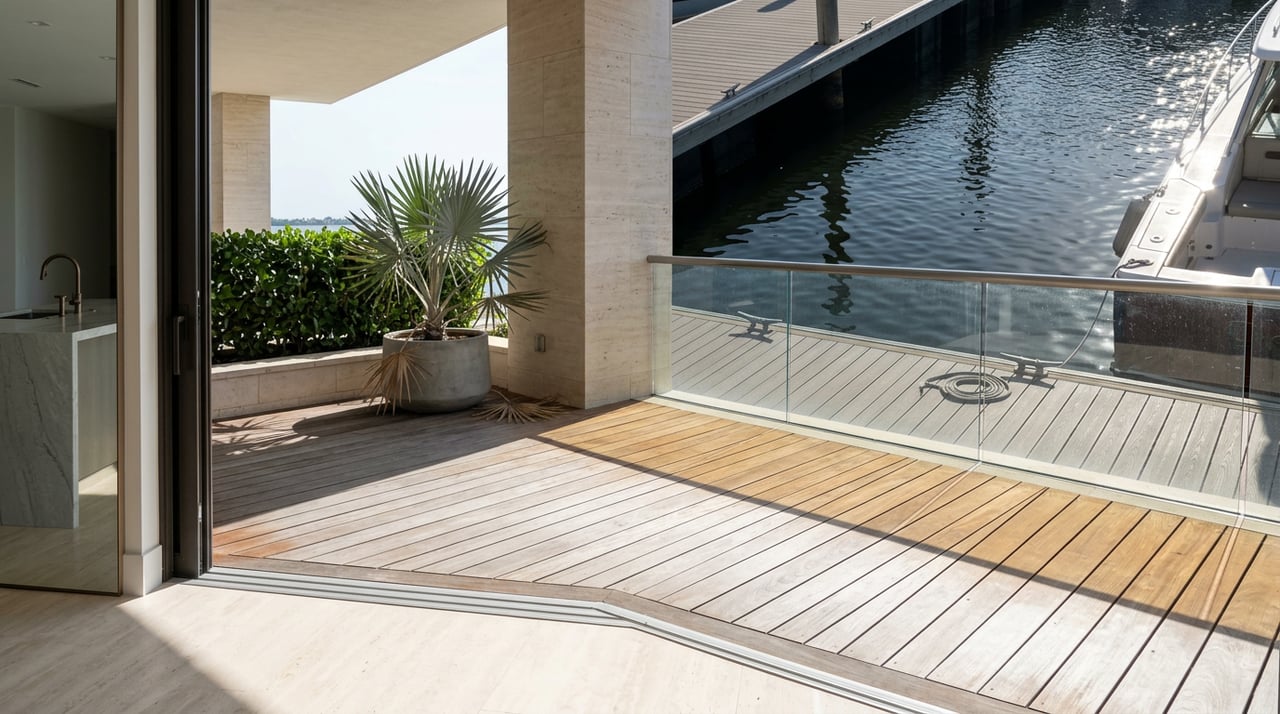
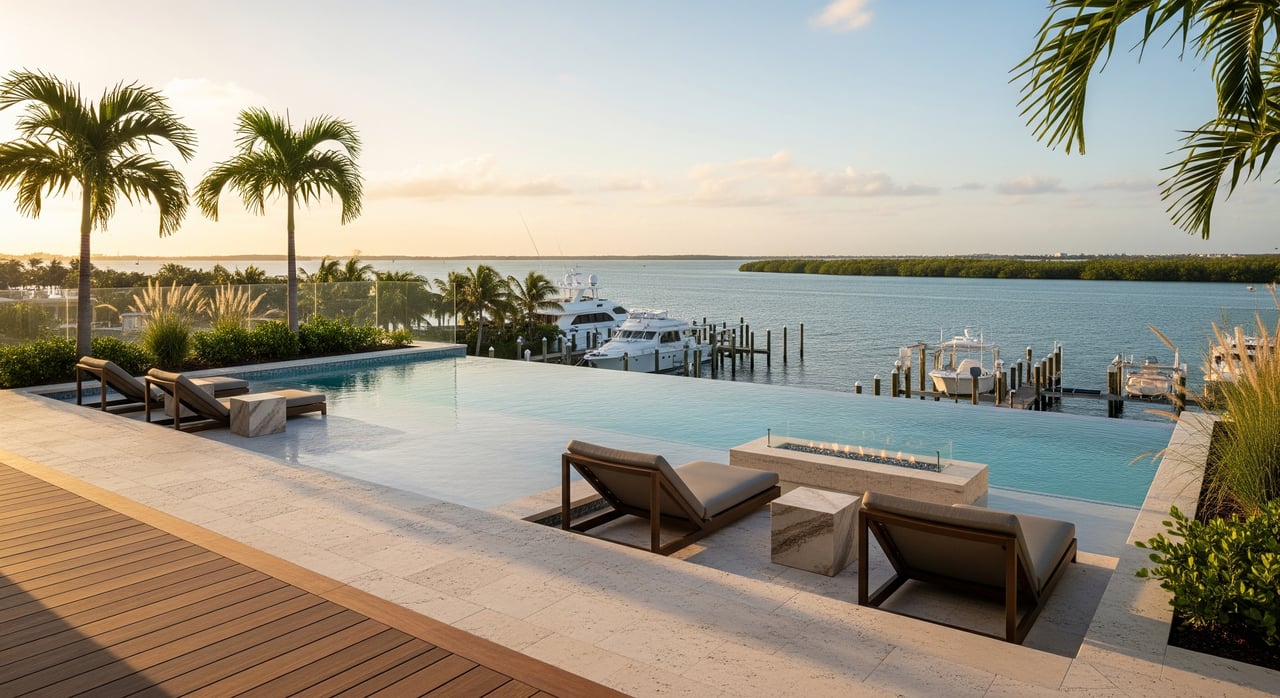
Boat access is a top driver in Naples. Buildings may offer deeded wet slips, leased slips, valet launch, or shared docks on bays and canals. You get instant access to fishing, cruising, and Gulf days with family and friends.
Costs and logistics can be significant. Slips are scarce, and association‑managed marinas require dredging, piling and seawall repairs, and insurance. Always verify if a slip transfers with the unit, the size and depth limits, guest access, and any wait‑list rules. Ask for permits and maintenance records so you understand obligations and timing.
Concierge and front desk
A staffed lobby or concierge is ideal if you are seasonal or remote. They manage packages, guest reception, and basic security. Some properties offer reservations, on‑site coordination, and light property oversight.
Service level drives cost. Payroll and benefits sit in operating expenses, and duties vary by building. Get a written description of services, hours, and any extra fees for special requests. Make sure the staffing model fits how you plan to use your condo.
Resort pools and outdoor recreation
Heated pools, lap lanes, hot tubs, cabanas, and outdoor kitchens create a true resort feel. Waterfront decks and poolside service are major lifestyle and rental draws.
Pools add ongoing expense. Water treatment, furniture replacement, and increased liability coverage show up in the budget. Review hours, guest rules, and any lifeguard or attendant staffing. If the pool sits near the beach or bay, ask about storm clean‑up plans and seasonal maintenance.
Club dining and private restaurants
On‑site dining, chef services, and event spaces bring convenience and a social scene to your doorstep. These venues can also support event income, depending on the rules.
Operations vary. Some associations run dining in‑house, others lease to a private operator, each with different revenue, staffing, and liability implications. Review operating hours, reservation policies, and resident access. Understand how the venue is insured and how expenses appear in the budget.
EV charging infrastructure
EV charging is a growing priority for second‑home and full‑time residents. You may see shared Level 2 chargers or a path for dedicated owner stations.
Older garages can support EVs with electrical upgrades. Costs depend on panel capacity, metering, and parking allocation. Clarify the payment model, such as per‑use billing or submetering, and the rules for reservations or dedicated spaces. Check if upgrades are a capital project or an owner expense.
Fitness, spa, and wellness
On‑site gyms, studios, saunas, and treatment rooms save time and keep you active without leaving the property. They also appeal to renters and visiting family.
Budget for equipment, cleaning, and possible instructor or class staffing. Verify liability procedures, including instructor certifications and waivers. Ask about replacement cycles for big‑ticket equipment so you can gauge reserves.
Pet‑friendly infrastructure
Off‑leash areas, grooming stations, and relief zones make seasonal living easier for pet owners. Tolerant pet policies can broaden the buyer pool and improve rental appeal.
Pet areas need cleaning and maintenance. Review size or number limits, common‑area rules, deposits, and the history of violations. Make sure the policy fits your plans and your visitors’ plans.
Other Naples perks to note
- Private beach access or beach tram service
- On‑site yacht or boat concierge
- Valet and covered parking
- In‑unit storage for marine gear
- Community events tailored to seasonal owners
How amenities impact fees, reserves, insurance, and resale
Monthly fees and day‑to‑day costs
Some amenities raise operating expenses more than others. Expect higher fees in buildings with staffed services like concierge or valet, full‑service dining, large pool complexes, and security systems. Marinas add significant maintenance and insurance needs.
To verify, request the current budget, audited financials, and line items tied to each amenity. Ask for the most recent reserve study to see long‑term replacement schedules for elevators, roofs, pool systems, marina infrastructure, and any planned electrical upgrades for charging.
Reserves and special assessments
Capital projects are a reality in coastal buildings. Marina repairs, dredging, elevator modernization, and storm‑related roof or facade work can be expensive. Electrical upgrades for EV charging may also be handled as capital projects.
Confirm reserve adequacy against the study’s schedule. Ask about special assessments from the past 5 to 10 years and any projects on the horizon. In Florida, underfunded reserves are a common driver of assessments, so a clear picture here protects you from surprises.
Insurance and risk profile
Coastal location raises exposure to wind, flood, and storm surge. Marinas, pools, and on‑site dining can require specialized coverage or endorsements. Larger deductibles can lead to special assessments after a storm.
Review the association’s master policy, including coverage types, limits, and deductibles. Clarify what the building covers versus what you must insure from the walls in. Ask if the building maintains flood insurance and how it coordinates with unit policies and lender requirements.
Resale value and marketability
High‑quality boating access, well‑run concierge programs, resort pools, and private dining usually boost marketability in Naples. Modern fitness and spa facilities, pet amenities, and EV charging appeal to a wider range of buyers, including younger retirees and full‑time residents.
There is a tradeoff. Rich amenities can raise carrying costs. Seasonal buyers may accept higher fees for services, while year‑round buyers may prioritize lower monthly expenses. For resale, tangible features like deeded slips and deeded storage are standouts that support value.
Buyer due‑diligence checklist
Use this list to compare buildings side by side and confirm what you are buying.
- Financials and reserves
- Current year budget and last 3 years of financials
- Most recent audit or review
- Reserve study and current reserve fund balance
- History of special assessments and planned capital projects
- Governance and rules
- CC&Rs, bylaws, house rules, and any pending changes
- Minutes of the last 12 to 24 months of meetings
- Rental rules and occupancy limits if rental income matters
- Pet policy, deposits, and violation history
- Insurance
- Master policy declarations, coverage limits, and deductibles
- Confirmation of flood insurance for the building
- Clarify owner “walls‑in” requirements
- Marina and slips
- Deeded vs leased slips, ownership documents, and transfer rules
- Slip size, depth, and guest policies
- Wait‑list procedures and current queue length
- Dredging plans, recent repair invoices, and permits for docks and seawalls
- Building systems and safety
- Recent inspection reports for roof, elevators, HVAC, and pool systems
- Flood zone and elevation certificate, if available
- Wind mitigation features, such as impact glass or shutters
- Operations
- Service contracts for landscaping, security, pool, and dining
- Amenity usage policies, hours, and guest access
- EV charging rules, billing model, and parking assignments
- For seasonal owners, guest parking rules and preferred vendor lists
Smart questions to ask early
- Which amenities contribute most to monthly fees in this building?
- Are any capital projects planned in the next 24 months that could trigger assessments?
- How are marina costs shared, and is there a separate marina budget?
- What are the insurance deductibles, and how were post‑storm assessments handled in the past?
- For EV charging, what is the installation pathway, who pays, and how is usage billed?
- Can you provide the last 12 months of meeting minutes and the full reserve study?
Build a Naples‑ready shortlist
The best waterfront amenities in Naples elevate your lifestyle and support long‑term value. Focus on boating access, attentive staffing that matches your needs, and well‑maintained recreation. Then verify reserves, insurance, and rules so you have a clear picture of carrying costs.
If you want a curated shortlist and document review tailored to how you live and travel, connect with Angelica Andrews for a private consultation. You will get expert guidance on marina details, reserve strength, and insurance so your Naples condo performs for both lifestyle and resale.
FAQs
Do boat slips usually transfer with a Naples condo purchase?
- It depends on the building; slips may be deeded to the unit, leased from the association, or allocated by wait‑list, so you should request exact documentation before you write an offer.
How much do amenities add to Naples condo fees?
- Fees reflect staffing, utilities, and reserve needs for amenities like concierge, pools, and marinas, so the only reliable way to quantify impact is to review the line‑item budget and reserve study.
Are marinas and seawalls covered by the condo association in Naples?
- Often they are common elements funded by the association, but you need to confirm whether costs are proportional, handled with special assessments, or separated into a marina budget.
How do hurricanes affect amenities, insurance, and assessments?
- High‑cost amenities such as marinas, pools, and club spaces can drive significant repair expenses and deductibles after a storm, which may lead to higher fees or special assessments.
Is EV charging realistic in older waterfront garages?
- Yes, but many buildings require electrical upgrades or metering changes, so you should review the installation process, costs, and usage billing model with the association.
Do pet‑friendly buildings help resale in Naples?
- Pet‑friendly rules and dedicated pet amenities can attract a broader buyer pool, although rules and maintenance expectations should be clear to minimize complaints and costs.