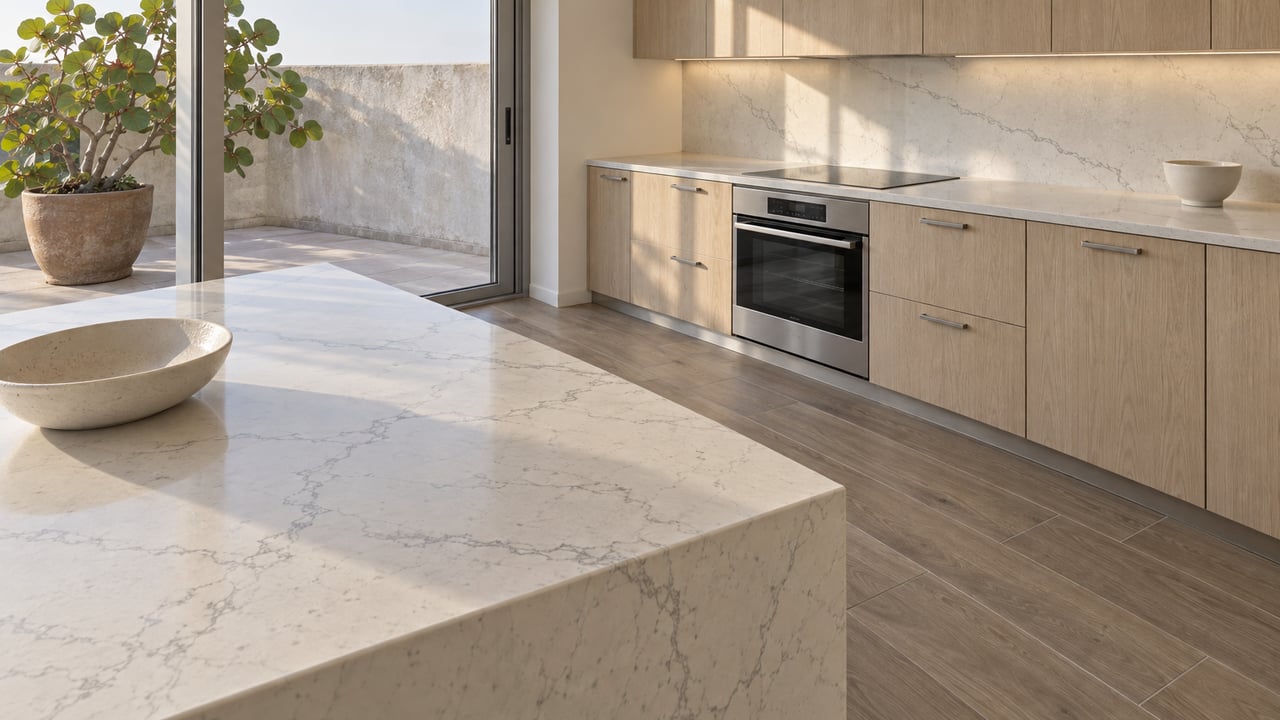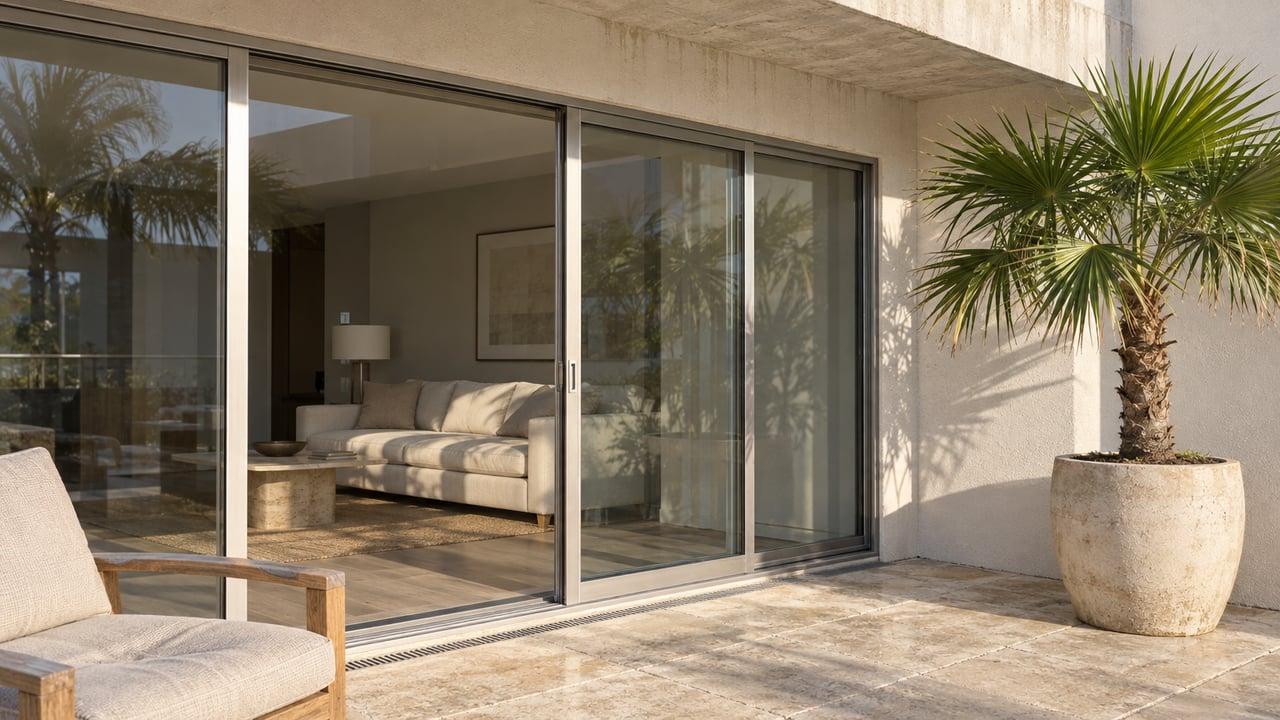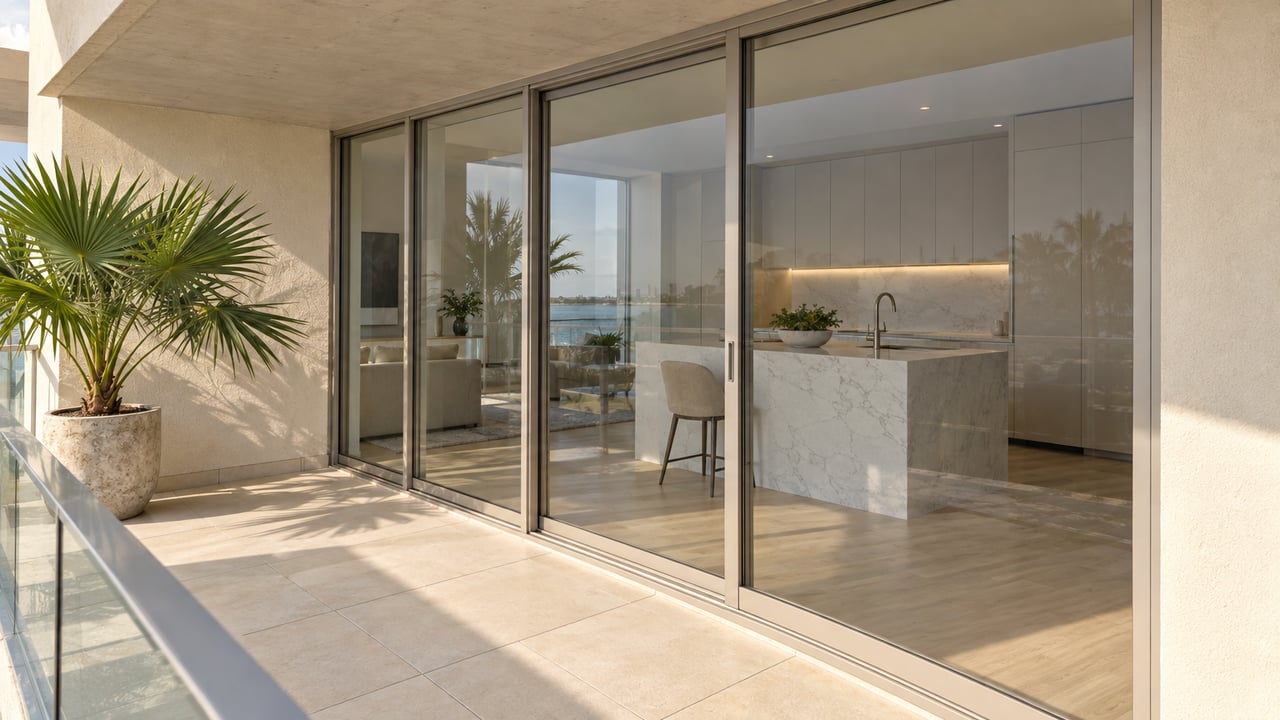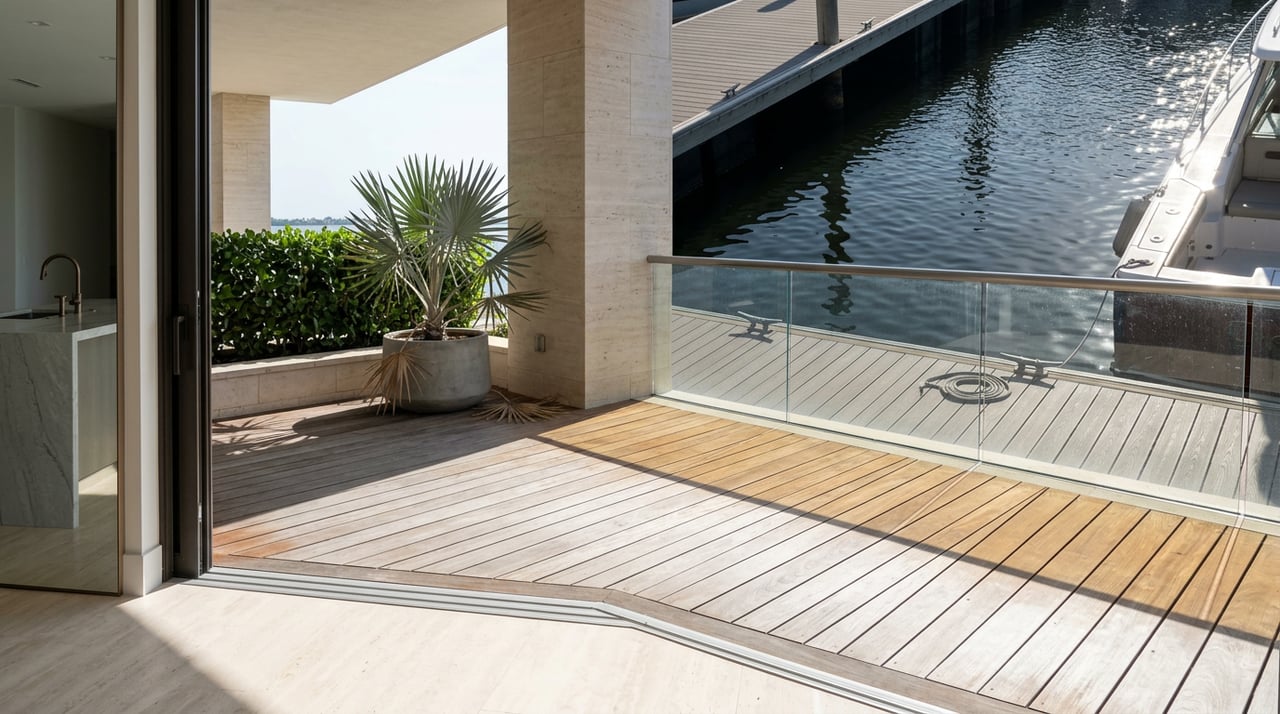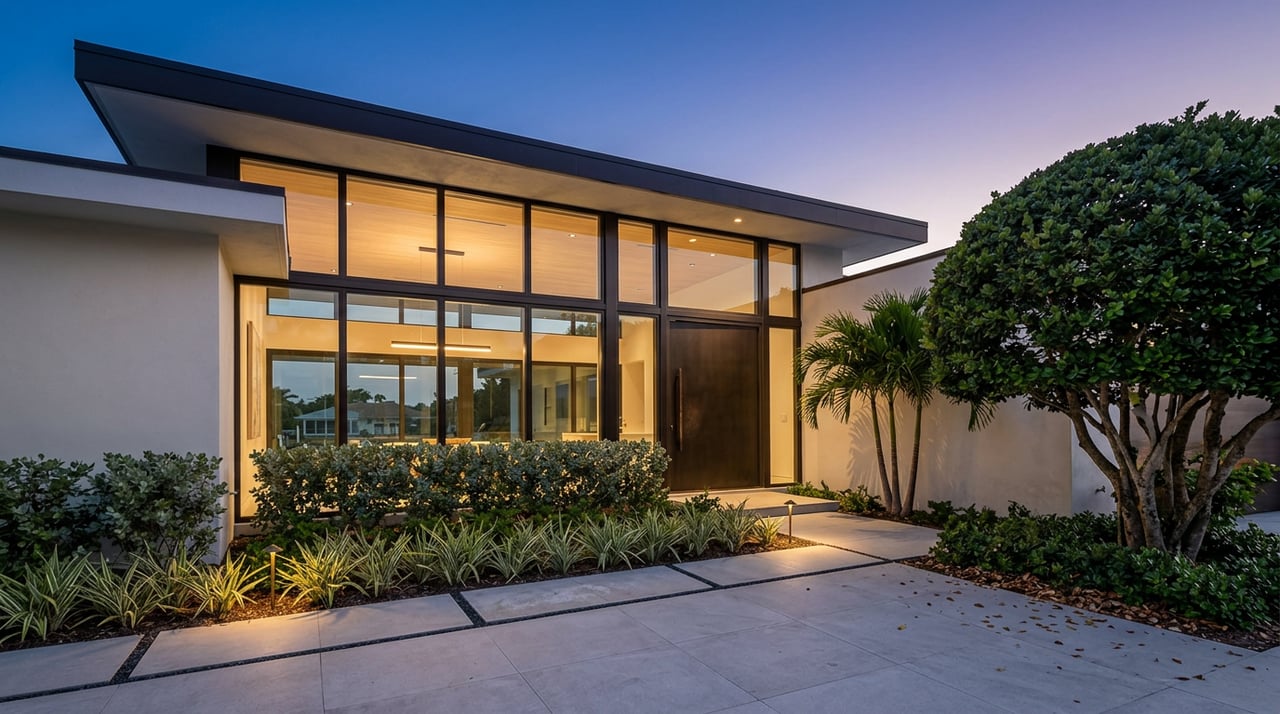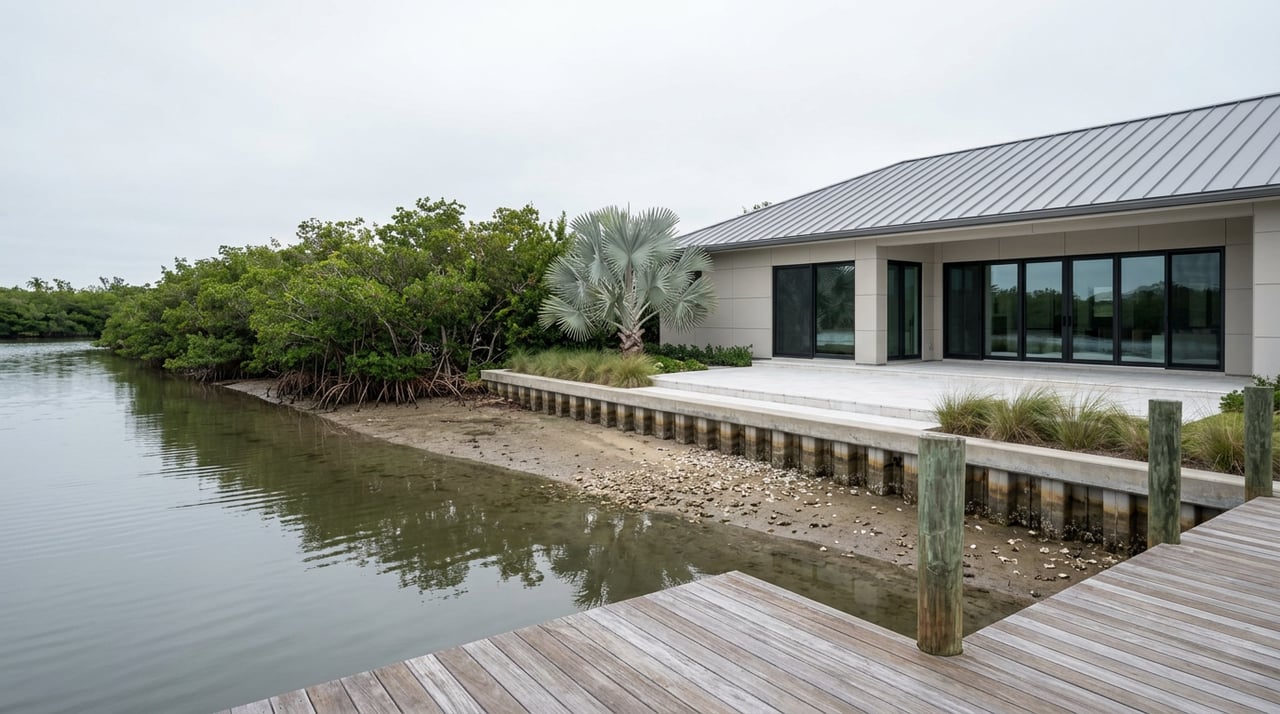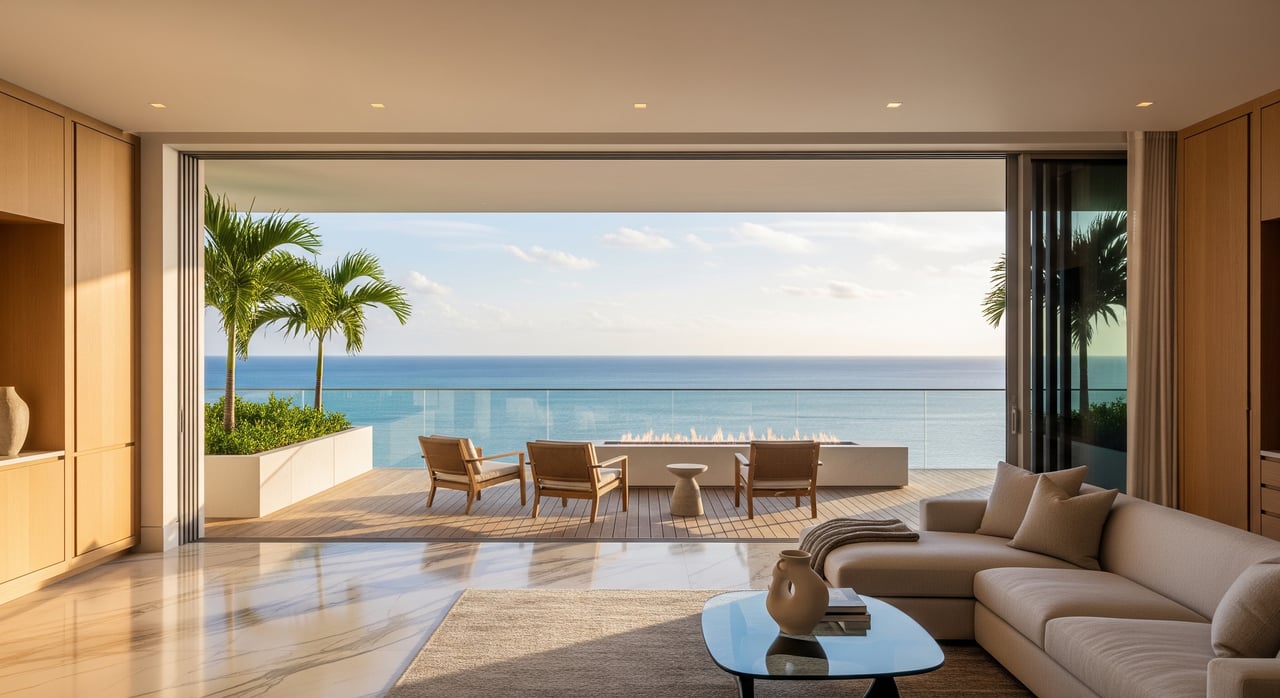
Dreaming of a sky-high Gulf sunset or a private marina at your doorstep? In Naples, luxury high-rise living gives you both options, often within minutes of world-class dining and wellness. If you are comparing towers from out of state or abroad, the details matter: views, association finances, flood and insurance, and rules that shape how you live and rent. This guide walks you through what to evaluate, what to request, and how to buy with confidence in Naples. Let’s dive in.
Why Naples high-rises stand out
Naples attracts seasonal and international buyers who value low-maintenance luxury, beach and boating access, and concierge service. The market is highly amenitized and lifestyle driven. You will see distinct choices between Gulf-facing and bayfront buildings, each with its own pace and privileges.
For context on local trends and inventory, review insights from the Naples Area Board of REALTORS. This helps you understand seasonality and pricing patterns before you shortlist buildings.
Gulf vs bay: choose your view
Gulf-facing towers deliver wide-open water and daily sunsets. You gain direct or easy beach access and a classic Naples resort feel. Expect premium pricing, higher salt exposure, and stronger coastal winds compared with interior waterways.
Bayfront buildings prioritize boating and marina access with calmer waters. You may have more boat traffic and occasional shading from nearby structures. For many buyers who value slips and sheltered water, the tradeoff is worth it.
Floor level and orientation
Higher floors often offer broader views and less street noise. They can come with longer elevator waits, higher prices, and more wind exposure. Lower floors can be easier to access and may include larger terraces or patios at a lower price per square foot.
Orientation shapes your daily experience. West and southwest stacks take in sunsets and afternoon sun, which can affect cooling costs and balcony comfort. North and east stacks may offer gentler light and better mid-day shade.
Floor plans, storage, and parking
Evaluate the flow from kitchen to living for entertaining and privacy in the primary suite. Note ceiling height, column placement, and whether there are service entrances or utility rooms. If you like to host, a generous great room and usable balcony become essential.
Confirm deeded parking and the path from garage to elevator to your unit. Ask about guest parking and storage lockers for luggage, golf gear, and beach items. If boating is part of your plan, clarify whether boat slips are deeded, leased, or on a waitlist.
Amenities and dues
Luxury towers in Naples often include resort pools and spas, fitness and wellness facilities, club rooms, concierge or valet, beach service, guest suites, and sometimes private marinas. The level of on-site staffing and seasonality can shape HOA dues and service quality.
Match the amenity stack to your lifestyle. If you will not use extensive services, a simpler building may save on dues. If you expect white-glove support year-round, confirm staffing levels in and out of season.
Construction quality and maintenance
Marine environments are tough on buildings. Look for corrosion-resistant hardware, high-quality glazing, and robust waterproofing. Study a building’s history of balcony and slab repairs and any recertification or concrete restoration projects.
Ask about HVAC systems. Centralized chillers shift maintenance and replacement costs to the association. In-unit systems mean you manage equipment in your residence. Either way, request maintenance logs and replacement plans so you can anticipate future costs.
Association health: what to review
A strong association protects your investment, comfort, and resale. Request the full resale and disclosure package and read it closely.
Must-have documents
Ask for: budget and operating statements, the latest reserve study and funding schedule, special assessment history, recent board minutes, litigation summaries, the master insurance outline, Bylaws and Declaration, and rules for leasing and pets. In Florida, the Florida Condominium Act sets disclosure standards. An estoppel letter helps confirm fees, assessments, and compliance.
Financial red flags
- Low reserves relative to capital needs
- Recurring or large special assessments
- High delinquency rates among owners
- Heavy association debt or contingency borrowing
- Significant active litigation without clear resolution
Insurance to verify
Study the master policy and what it covers inside the unit. Determine whether it is “all-in” or “bare walls.” Understand hurricane deductibles, which are often percentage based and can lead to large assessments in a named storm. For market context and policy structures, review the Florida Office of Insurance Regulation and the role of Citizens Property Insurance as the insurer of last resort.
Flood coverage is also critical in coastal buildings. Some associations carry a master flood policy. You may still need contents and loss assessment coverage. Confirm what you must carry and price it before you finalize your offer.
Rules that shape use
Rental rules vary widely. Some buildings require 30, 60, or 90-day minimums, limit the number of leases per year, or cap short-term rentals. If you plan to rent seasonally, verify the exact policy and the approval process.
Confirm pet rules, any age restrictions, and guest policies. Ask for the owner-occupancy percentage because it can affect financing options and the building’s culture. If you need a loan, verify project eligibility early with your lender.
Risk, flood, and storm readiness
Coastal towers see storms, surge, and salt. Identify the building’s flood zone using the FEMA Flood Map Service Center. Request the Flood Elevation Certificate if available.
Ask about seawalls, dunes, and nourishment. Who pays for repair or dredging, and what has been done recently. Review storm-hardening features such as impact-rated windows and shutters, and ask if wind mitigation credits have helped the master policy costs.
Older concrete buildings may face concrete spalling repairs, balcony work, elevator modernization, and structural inspections. Request project histories, schedules, and how reserves or assessments will fund them.
Financing and total budget
Many Naples luxury condos fall in jumbo financing ranges. If you need a mortgage, verify condo project eligibility early and work with a lender experienced in Florida condos. Foreign buyers can often access financing with lower loan-to-value limits and additional documentation, but cash is common for cross-border purchases.
Florida has no state personal income tax, which is attractive to many out-of-state buyers. Budget for closing costs that may include title insurance, recording fees, lender charges, HOA transfer fees, and potential capital contribution fees. For property tax history and assessed values, consult the Collier County Property Appraiser.
International buyers should plan ahead for ownership structure and future sale considerations. Discuss U.S. estate tax exposure, cross-border reporting, and rental income tax with a qualified tax advisor before you contract.
Step-by-step buying plan
- Define lifestyle fit. Decide Gulf vs bay, desired floor height, and must-have amenities.
- Get financial clarity. Confirm cash or jumbo financing and pre-qualification with a condo-experienced lender.
- Shortlist buildings. Compare layout options, elevator-to-unit convenience, parking, and storage.
- Request documents. Gather HOA budget, reserves, minutes, insurance summary, estoppel, and rules.
- Price risk. Get quotes for unit insurance and confirm master policy deductibles and flood coverage.
- Inspect deeply. Hire a coastal-savvy inspector for HVAC, plumbing, windows, and balcony conditions.
- Verify marina details. If boating matters, confirm slip status, dredge easements, and waitlists.
- Close with confidence. Use a local real estate attorney and an experienced title team for a smooth finish.
Key questions to ask early
- What does the master policy cover inside the unit, and what is the hurricane deductible structure?
- How are reserves funded, and what did the latest reserve study recommend?
- Are any special assessments pending or planned in the next 1 to 3 years?
- What are the rental rules, minimum lease terms, and approval steps?
- Are parking spaces and storage deeded, and how are guest spots managed?
- Has the building completed concrete, balcony, or elevator projects recently? What is next on the capital plan?
- What is the owner-occupancy percentage, and is the project eligible with common lending programs?
Naples buyer checklist
- Choose view and floor: Gulf or bay, height, and sun exposure
- Confirm layout: flow, ceiling height, columns, and service areas
- Parking and storage: deeded spaces, guest spots, and lockers
- Amenities and staffing: match services to dues and expectations
- Association health: budget, reserves, minutes, assessments, litigation
- Insurance clarity: master policy, hurricane and flood deductibles
- Flood risk: zone, elevation certificate, seawall and dune history
- Project approvals: owner-occupancy and lender eligibility
- Inspection: windows, balconies, HVAC, elevators, and common systems
- Closing plan: attorney, title, and accurate closing cost estimate
Work with a local advisor
Buying a Naples high-rise from afar is easier when you have a hands-on advocate who understands each tower’s strengths, rules, and long-term costs. You get more clarity, faster timelines, and a smoother closing when your advisor is present for showings, document reviews, and inspections. If you value multilingual guidance, premium presentation, and concierge-level coordination for remote transactions, connect with Angelica Andrews for a private consultation.
FAQs
What is the difference between Gulf and bayfront condo living in Naples?
- Gulf towers offer sunset views and direct beach access, while bayfront buildings focus on boating and marinas with calmer waters and more boat traffic.
How do I check a Naples condo’s flood risk before I offer?
- Look up the building’s zone using the FEMA Flood Map Service Center and request the Flood Elevation Certificate from the association or seller.
What condo insurance terms should I confirm with the HOA?
- Determine if the master policy is all-in or bare walls, the hurricane deductible percentage, and whether the association carries a master flood policy or expects unit owners to add coverage.
How can I gauge HOA financial strength in a luxury high-rise?
- Review the budget, reserve study, recent minutes, assessment history, and any litigation; underfunded reserves and frequent assessments are red flags.
Are there special financing issues with Naples high-rise condos?
- Many purchases fall into jumbo loans, and some projects may not meet certain program approvals, so verify project eligibility early with a condo-experienced lender.
What closing costs should I expect when buying a Naples condo?
- Plan for title insurance, recording and lender fees, HOA transfer fees, and possible capital contributions; check assessed values and tax history with the Collier County Property Appraiser.