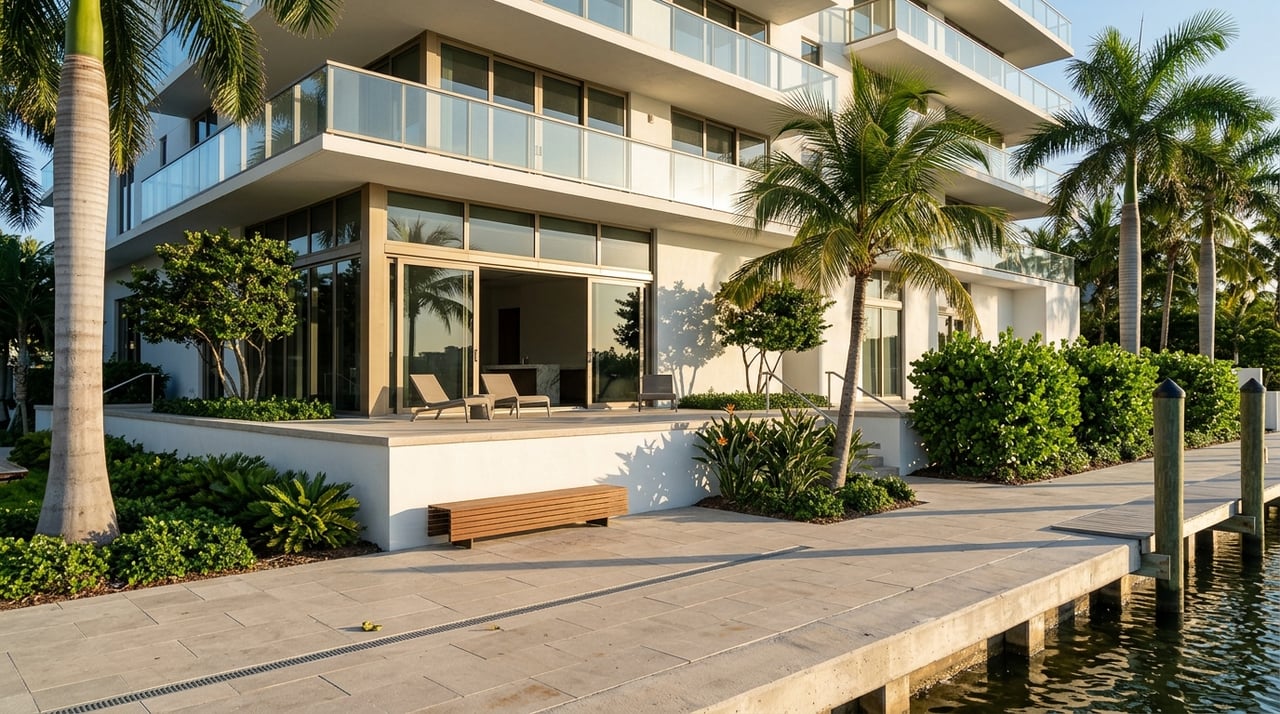
If you are browsing Marco Island waterfront condos, one question matters more than almost anything else: what will daily life actually feel like once you arrive? Two buildings can both sit on the water and offer completely different experiences, from quiet boating mornings to active beach days to a more social marina setting. This guide will help you sort through the main waterfront condo lifestyles on Marco Island so you can narrow your search with more confidence. Let’s dive in.
Why lifestyle matters on Marco Island
Marco Island is not a dense, year-round urban condo market. According to the City of Marco Island community overview, the island has six miles of beach, more than 100 miles of waterways, and a casual atmosphere centered on natural resources and quality of life.
That setting shapes what many condo buyers want most: low-maintenance ownership, seasonal flexibility, and amenities that support time on the water. The same source notes a permanent population of just over 16,500, with a much larger peak winter population, so the feel of many buildings changes with the season.
Beach access changes everything
One of the biggest lifestyle differences between Marco Island condo buildings is how you reach the beach. That may sound simple, but in practice it affects your routine, convenience, and even the social atmosphere of a community.
Public beach access lifestyle
For many buyers, proximity to public beach access is enough. Tigertail Beach Park offers white sand, shelling, bird watching, tidal pools, restrooms, and a playground, while South Marco Beach Access provides another public route to the beach from the south end of the island.
In both cases, visitors without a county resident beach parking permit pay $10 to park. If your building is near one of these access points, your beach days may involve a short walk, seasonal parking considerations, and a more public setting rather than a private residential beach experience.
Member beach lifestyle
Some buyers prefer a more structured beach setup. The city directs residents to MICA for Residents’ Beach passes and membership details, and MICA states that owners of improved property and some long-term renters may join the beach club.
MICA Beach Club amenities include beach parking, restrooms, showers, picnic chickees with grills, a playground, and events like concerts on the green. For the right buyer, that can create a more established social rhythm and a smoother day-to-day beach routine.
Marco Island condo lifestyle zones
A helpful way to compare Marco Island waterfront condo buildings is to think in terms of lifestyle zones. Each area creates a different pattern for boating, dining, beach access, and seasonal energy.
North side and Marco River
The north side and Marco River corridor often appeal to buyers who want boating access and a setting near Old Marco. Riverside Club is a good example, with direct Gulf access via the Marco River, 77 boat slips, boat storage, two pools, two spas, tennis courts, and walkability to nearby restaurants and shops.
Anglers Cove reflects a similar boating-centered feel. Located directly on the Marco River, it spans thirteen acres with twelve five-story buildings, plus pools, spas, tennis courts, private boat dockage, and an on-site tiki restaurant.
This part of the island often feels practical and relaxed. If you picture mornings on the boat, afternoons by the pool, and easy dinners nearby, this corridor may fit your lifestyle well.
Smokehouse Bay and North Collier
If you want a more social, layered waterfront experience, Smokehouse Bay stands out. The Esplanade Shoppes, Residences and Marina combines waterfront residences, dining, retail, a marina, and a promenade in one bayfront setting.
Nearby Smokehouse Harbour adds another angle on the same lifestyle. It is a smaller bayfront community with bay views, a pool overlooking the water, and dock slips available to lease.
This area tends to feel more walkable and active because boating, dining, and everyday outings overlap. Instead of returning to a fully private residential enclave, you are living in a place where the waterfront is shared with diners, shoppers, and marina activity.
South Collier and South Beach
The South Collier Boulevard corridor is more resort-oriented. South Marco Beach Access places you near one of the island’s main public beach entry points, with a palm-lined walk toward the beach.
Charter Club of Marco Beach shows what this lifestyle can look like in practice. Its site highlights owner meetings, on-site lunches and activities, beach chairs and umbrellas, and a long history of organized programming.
This part of the island can feel more vacation-focused, especially in buildings with more flexible rental patterns or frequent guest turnover. If you enjoy an active beach setting and a resort-adjacent atmosphere, that can be a plus. If you want a quieter, more owner-centered environment, it is something to weigh carefully.
South end and Caxambas Pass
The south end is often more boating-first than beach-first. Caxambas Park offers water access with easy routes to the Northern Ten Thousand Islands and the Gulf of Mexico.
Just off the island, Collier Boulevard Boating Park is another well-used access point, though Collier County notes it can be crowded during peak season. Buyers who prioritize fishing, fast Gulf access, and a quieter daily pace often find this side of Marco Island especially appealing.
Building character shapes your experience
Even within the same area, two condo buildings can feel very different. That difference often comes down to rental rules, amenities, and how residents use the property throughout the year.
Resort-style buildings
Resort-style communities usually feel busier and more transient. The combination of beach access, guest activity, and service-oriented amenities creates more movement in lobbies, elevators, and common spaces.
Charter Club’s activity programming is one example of that environment. In some buildings, rental structures also affect the pace of life, with shorter stays creating more turnover and a more vacation-like atmosphere.
Owner-oriented communities
Owner-oriented or gated communities often feel steadier. The research points to places like Riverside Club, where returning owners, boating amenities, and a more residential rhythm can create a stronger sense of familiarity over time.
For some buyers, that consistency matters just as much as the water view. If you plan to stay for longer stretches each season, a building with a more established resident base may feel more comfortable.
Mixed-use marina communities
Mixed-use communities create a third lifestyle category. In places like Esplanade or Smokehouse Bay, you are not only living on the water. You are also sharing that setting with restaurants, retail activity, and marina traffic.
That can be ideal if you want a lively social backdrop and less need to get in the car. It may be less appealing if your priority is privacy and a quieter, purely residential feel.
What to compare before you choose
When you are in the early stages of browsing, it helps to look past the photos and ask better questions. On Marco Island, some of the biggest quality-of-life differences are tied to rules and access, not just views.
Here are a few of the most important factors to compare:
- Beach access type: public access, member-based access, or no direct beach setup
- Dock options: deeded slips, leaseable slips, marina proximity, or no boating access
- Rental rules: shorter minimums can create a more vacation-oriented atmosphere
- Seasonal pace: some buildings feel quiet and residential, others feel busy in winter
- Walkability: some locations support dining and errands on foot more than others
- Amenities: pools, spas, tennis, social events, and owner services vary widely
A small governance detail can also affect your experience. For example, Anglers Cove notes registration requirements for owners and short-term renters before arrival, which is a useful reminder that condo rules can influence convenience and day-to-day flow.
Matching the building to your lifestyle
The best Marco Island waterfront condo is usually not the one with the broadest appeal. It is the one that matches how you actually want to spend your time.
If you want beach days and a vacation feel, the South Beach corridor may be the strongest fit. If boating comes first, the Marco River or south end may suit you better. If you want a blend of waterfront living, dining, and walkability, Smokehouse Bay may rise to the top.
The key is to compare buildings as lifestyle environments, not just as addresses. When you do that, your search becomes much clearer and much more efficient.
If you want tailored guidance on Marco Island waterfront condos, from boating-focused communities to beachside residences and penthouses, Angelica Andrews offers concierge-level local insight and personalized support to help you identify the right fit. Request a private consultation when you are ready to refine your options.
FAQs
What makes Marco Island waterfront condo buildings feel different from each other?
- The biggest differences usually come from beach access, boating access, rental rules, amenities, and whether the building feels more resort-like, owner-oriented, or mixed-use.
What is the difference between public and member beach access on Marco Island?
- Public access points like Tigertail Beach Park and South Marco Beach Access are open to the public and may involve parking fees, while MICA membership may provide beach parking and additional amenities for eligible owners and some long-term renters.
Which Marco Island condo areas are best for boating access?
- Buyers often look at the Marco River corridor, north-side waterfront communities, and the south end near Caxambas Pass when boating access, fishing, and quick Gulf runs are top priorities.
Which Marco Island waterfront condo areas feel more social and walkable?
- Smokehouse Bay and North Collier Boulevard often feel more social and walkable because residences, dining, retail, and marina activity are combined in one waterfront setting.
Why do rental rules matter in Marco Island condo buildings?
- Rental rules can affect how busy a building feels, how often guests rotate through the property, and whether the overall atmosphere feels more residential or more vacation-oriented.